

Cassava Starch Cat Litter Pellet Forming Process: Engineering Principles and Production Stability
Cassava Starch Cat Litter Pellet Forming Process: Engineering Principles and Production Stability
Material Characteristics of Cassava Starch in Pellet Forming
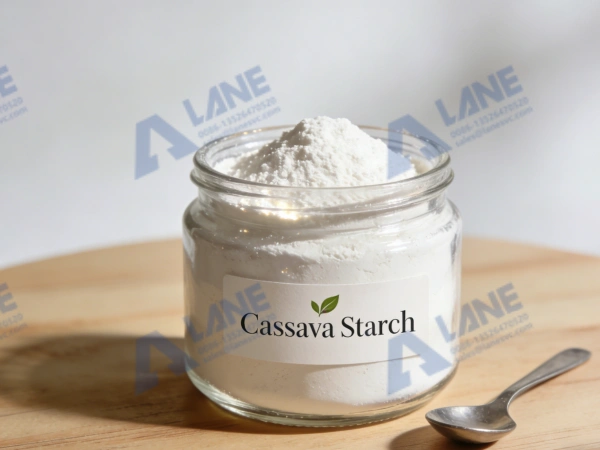
Cassava starch is widely used in biodegradable cat litter production due to its natural binding ability and renewable origin. However, its material behavior differs significantly from mineral or clay-based materials. Understanding these characteristics is essential for designing a stable cassava starch cat litter pellet forming process.
Cassava starch has strong gelatinization properties when exposed to moisture and pressure. During mixing and extrusion, starch molecules form a cohesive network that allows particles to bind into pellets. This natural adhesiveness makes cassava starch an excellent forming agent, but it also makes the process highly sensitive to moisture fluctuations.
Another key feature is its thermal sensitivity. Excessive frictional heat during forming can partially gelatinize the starch, altering pellet structure and affecting final hardness. Therefore, the cassava starch cat litter pellet forming process must be carefully engineered to balance pressure, moisture, and temperature.
Compared with bentonite, cassava-based materials require tighter moisture control windows and more precise compaction management to ensure uniform pellet quality.
Key Stages in the Cassava Starch Cat Litter Pellet Forming Process
The pellet forming stage is the core of cassava-based litter manufacturing. Although upstream raw material preparation is important, pellet structure and durability are ultimately determined during this phase.
A stable cassava starch cat litter pellet forming process typically includes the following stages:
Moisture Conditioning
Before forming begins, the starch mixture must reach an optimal moisture range. Insufficient moisture results in weak bonding, while excessive moisture leads to deformation or surface cracking after drying.
Uniform water distribution is more critical than total moisture percentage. Proper mixing ensures that each particle participates equally in the binding reaction.
Material Compaction and Extrusion
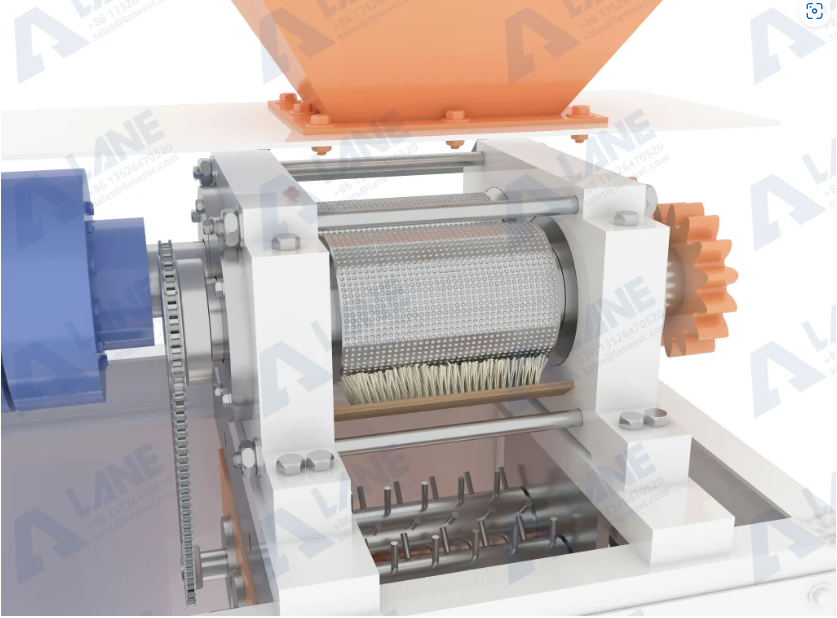
In extrusion-based forming systems, material is compressed under controlled pressure. The compression ratio determines pellet density and mechanical strength.
The forming pressure must be high enough to activate starch binding but low enough to avoid excessive heat generation. Managing this balance is central to a reliable cassava starch cat litter pellet forming process.
Pellet Shaping and Surface Stabilization
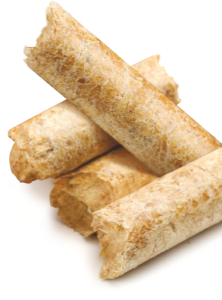
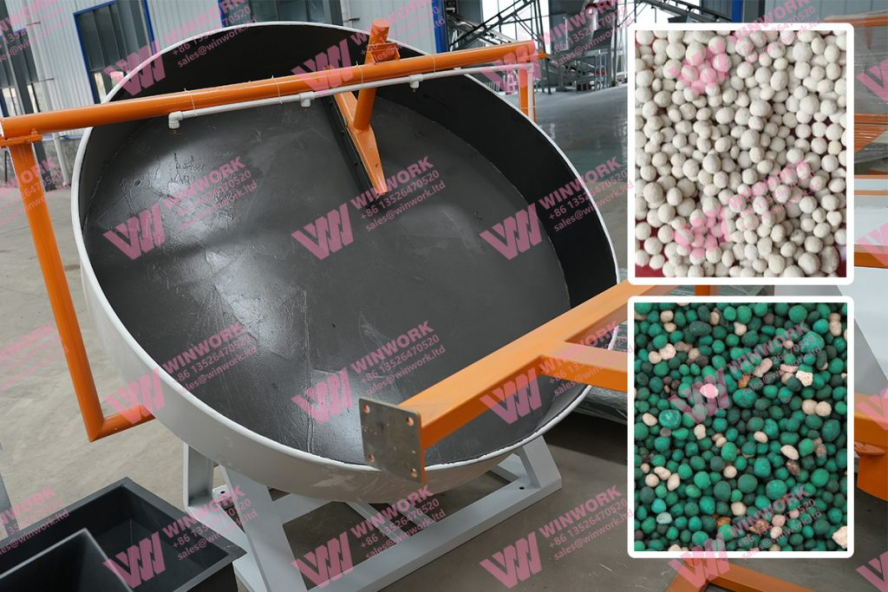
After extrusion or rolling, pellets must maintain consistent shape and diameter. Uniform shaping ensures predictable drying behavior and reduces breakage during handling.
Surface smoothness also influences dust levels and packaging quality.
Critical Process Control Points During Pellet Formation
Maintaining production stability requires continuous monitoring of several key parameters. In the cassava starch cat litter pellet forming process, small deviations can lead to significant quality variations.
- Moisture Window
The acceptable moisture range is narrower than that of mineral materials. Even minor fluctuations may result in:
-
Fragile pellets
-
Overly soft granules
-
Structural cracking after drying
Moisture sensors and feedback systems improve consistency.
- Compression Ratio and Roller Clearance
In extrusion systems, roller clearance directly affects pellet density. Excessive compression can produce overly hard pellets that break during drying. Insufficient compression results in weak structure.
- Temperature Control
Friction heat must remain within a controlled range to prevent premature gelatinization. Excessive heat may cause uneven internal structure, reducing product uniformity.
Optimizing these control points ensures that the cassava starch cat litter pellet forming process delivers stable output across long production cycles.
Equipment Selection for Stable Cassava Starch Pellet Forming
Choosing the right forming equipment is critical to ensuring process reliability. However, equipment selection should be based on material behavior rather than machine size alone.
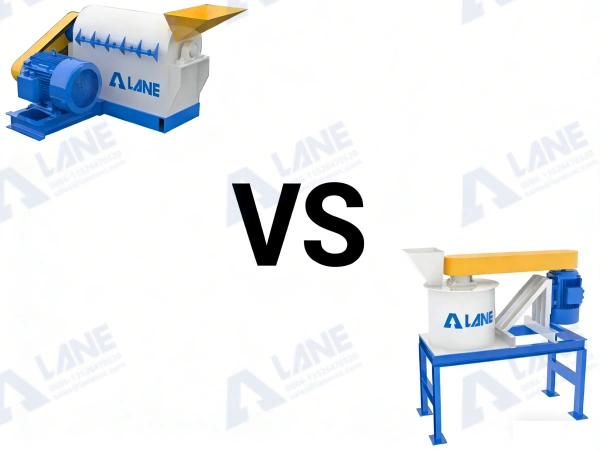
Common forming systems include:
-
Disc granulators for controlled rolling formation
-
Pre-conditioning mixers for moisture regulation
Each solution offers different structural characteristics. For cassava-based formulations, extrusion systems often provide higher density and dimensional consistency.
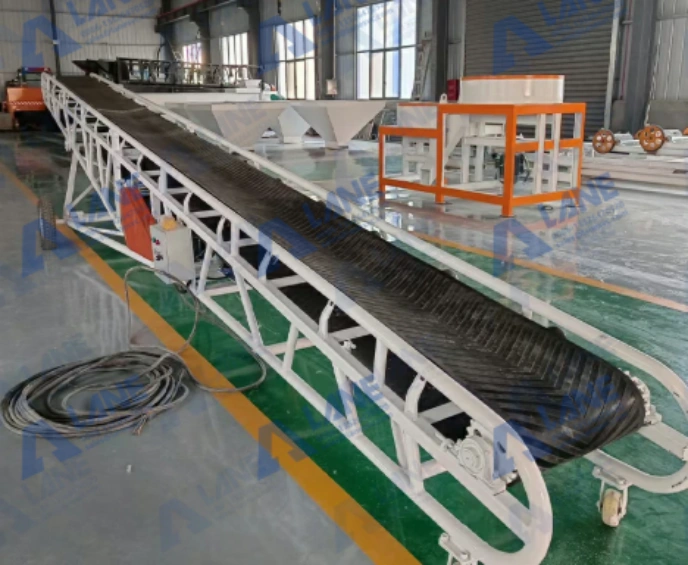
Equally important is the integration of feeding and conveying systems. Uneven feed rates can destabilize forming pressure, directly affecting pellet strength.
A well-designed cassava starch cat litter pellet forming process considers not only the granulator itself, but also upstream mixing precision and downstream handling stability.
Common Defects and How to Improve Pellet Quality
Even with optimized equipment, certain issues may arise during pellet formation.
- Pellet Cracking After Drying
This often results from uneven internal moisture distribution or excessive compaction during forming. Adjusting moisture conditioning and pressure settings can resolve the issue.
- Excessive Dust Generation
Dust may indicate insufficient binding strength. Reviewing the forming pressure and starch content can help stabilize pellet integrity.
- Inconsistent Pellet Size
Variations in feed rate or roller gap can produce uneven granule dimensions. Calibration and routine inspection are necessary to maintain uniformity.
Addressing these problems requires systematic optimization of the entire cassava starch cat litter pellet forming process, rather than isolated mechanical adjustments.
Integrating the Pellet Forming Section into a Complete Production Line
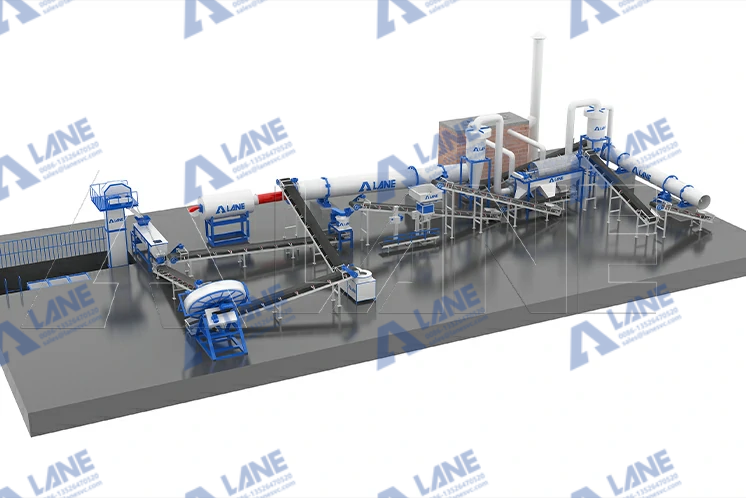
Although pellet forming is a critical stage, it does not operate independently. Its performance influences drying efficiency, screening accuracy, and final product packaging quality.
For manufacturers scaling production, integrating the forming section into a coordinated system improves overall throughput and reduces energy waste.
When pellet density and moisture levels are consistent, downstream drying becomes more energy-efficient and predictable. This integration enhances both product quality and operational sustainability.
Conclusion: Building a Reliable Cassava Starch Cat Litter Pellet Forming Process
The success of biodegradable cassava-based litter production depends heavily on forming stability. A carefully engineered cassava starch cat litter pellet forming process balances moisture conditioning, compaction pressure, temperature control, and equipment coordination.
Rather than focusing solely on machinery capacity, manufacturers should prioritize process consistency and structural optimization. When properly designed, the forming stage ensures durable pellets, low dust levels, and stable large-scale production performance.
For producers seeking long-term reliability, systematic planning of the pellet forming stage provides the foundation for efficient and sustainable cassava starch cat litter manufacturing.
For more details, please feel free to contact us.
Henan Lane Heavy Industry Machinery Technology Co., Ltd.
Email: sales@lanesvc.com
Contact number: +86 13526470520
Whatsapp: +86 13526470520