

Cassava Cat Litter Production Line: Practical Issues Manufacturers Care About Most
Cassava Cat Litter Production Line: Practical Issues Manufacturers Care About Most
Cassava cat litter is gaining traction in global markets as an eco-friendly, plant-based alternative to traditional clay or bentonite litters.
For manufacturers considering a Cassava Cat Litter Production Line, this material promises biodegradability, low dust — but it also brings distinct production challenges and decision points that differ from conventional cat litter systems.
Below, we explore the most important practical issues manufacturers weigh before investing in a production line, and how real production solutions can address them.
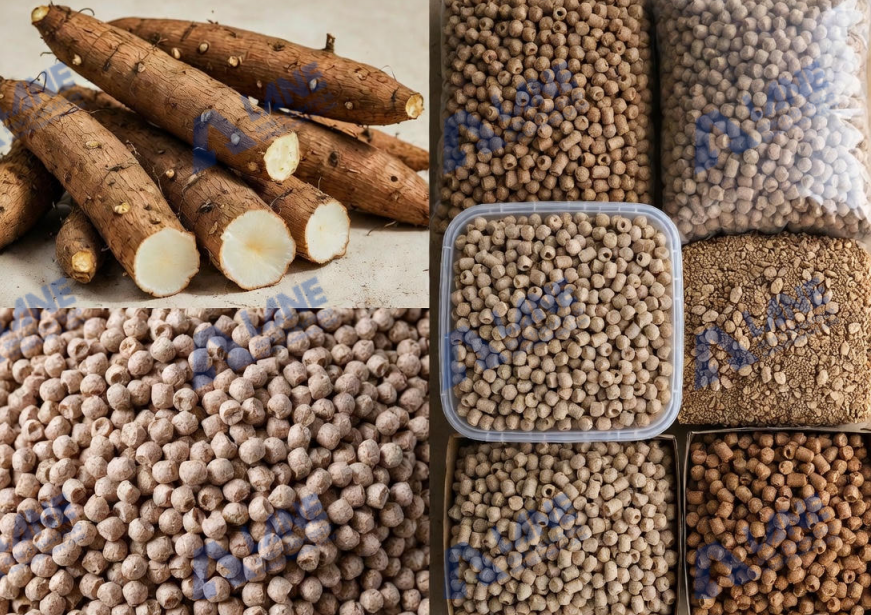
Understanding the Raw Material: Cassava Starch and Residue Behavior
Raw material consistency is one of the biggest challenges in cassava litter production. Unlike mineral-based litters such as bentonite, cassava cat litter typically uses cassava starch or dried cassava residue as the primary binder and absorbent.
The moisture content, particle size, and starch quality can vary significantly between batches, affecting mixing and granulation outcomes. Poorly prepared raw material may lead to:
1.Irregular granule formation
2.Weak absorption properties
3.Excess dust in final product
Manufacturers often conduct pre-production sample testing to determine optimal moisture ratios and binder additions. Suppliers offering feasibility testing — such as those detailed on the cassava cat litter production line page — help reduce setup risks and align product performance with market expectations.
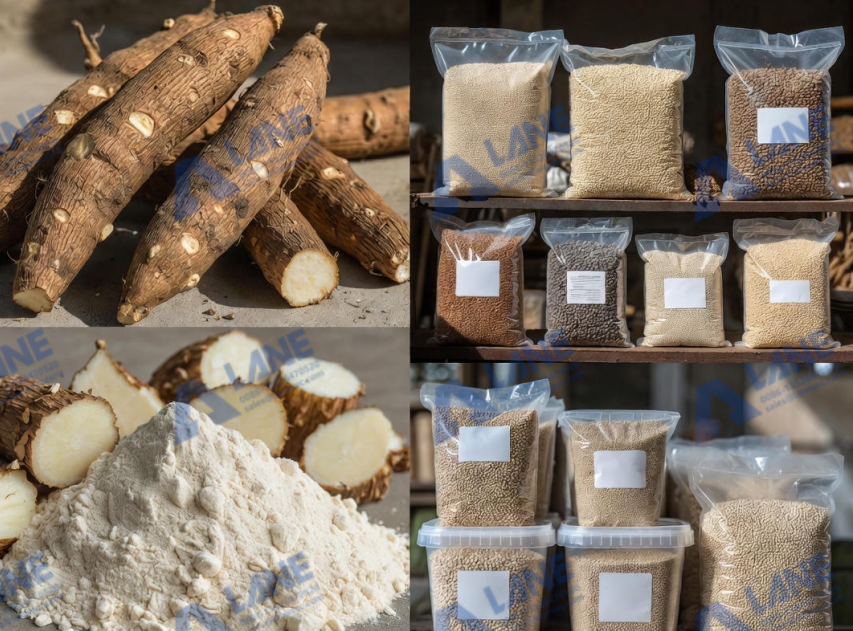
Mixing and Formulation: Striking the Right Balance
In a cassava cat litter production line, mixing isn’t just a preliminary step — it’s the foundation for uniform product performance. Getting the right balance of cassava starch, water, and any functional additives (e.g., natural deodorizers, plant enzymes) ensures that granules will form well and behave consistently during later stages.
Good mixing leads to: Uniform granule growth; Predictable drying behavior; Better clumping and absorption in finished litter.
For this reason, many production lines integrate high-performance mixers with adjustable speed and tilt control —horizontal mixer.
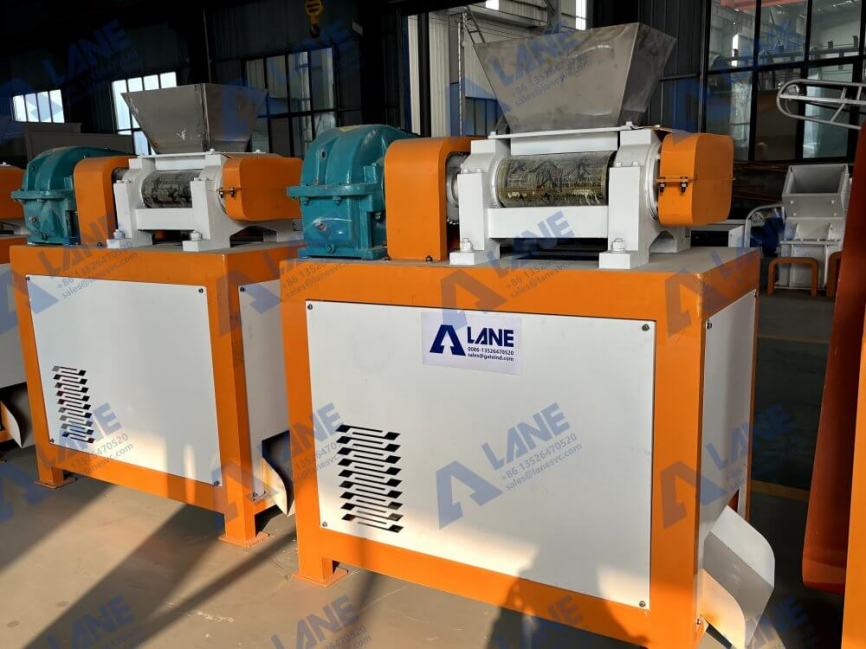
Granulation: Core Step in Cassava Cat Litter Production
The next key step in the cassava cat litter production line is granulation. Because cassava particles are lighter and softer than mineral powders, granulation requires careful control of moisture and mechanical conditions.
In many lines, a disc granulator or high-precision pelletizer creates uniform granules sized typically between 2–10 mm, a range preferred in most retail litter products.
Granulator performance directly affects how the litter will:
- Clump When Wet
- Resist Breaking During Drying
- Produce Dust During Handling
Modifiable granulator design (e.g., tilt angle, rotation speed) makes it possible to optimize for different output targets — from household retail bags to large bulk shipments for distributors.
For manufacturers evaluating solutions, seeing a configurable cassava cat litter machine and granulation setup in a detailed equipment catalog can help align production capabilities with product goals.
Drying and Cooling: Material Integrity Matters
Unlike bentonite or clay litters, cassava granules are susceptible to heat damage. If dried too fast or at too high temperature, the starch structure can weaken, reducing absorbency and mechanical strength.
In a cassava cat litter production line, gradual drying combined with even airflow distribution protects material integrity. Cooling after drying stabilizes the granules and prepares them for screening and packaging.
Suppliers who offer specialized dryer/cooler systems — help keep moisture in target ranges that balance handling robustness with performance in use.
Screening and Dust Control
Final product quality is also determined by efficient screening. Well-graded granules keep customer complaints down and support accurate packaging.
Because plant-based litter materials can produce fines and light dust, implementing multi-layer vibrating screens and dust control systems is essential. In many cassava cat litter production line designs, secondary screening and dust capture work together to:
1.Reduce airborne particulates
2.Return fines to granulation or mixing stages
3.Maintain hygienic production environments
These process considerations are often overlooked by newcomers but make a huge difference in operational cleanliness and product perception on the shelf.

Packaging: From Bulk to Retail-Ready Bags
How cassava litter is packaged affects both cost and customer experience. Different markets require:
Small retail bags (e.g: 2.5 kg–10 kg)
Larger bulk bags for wholesale
Vacuum-oriented packs to preserve freshness
Automated packing machines with weighing, filling, and sealing capabilities help streamline this phase. Many production line solutions include options for bag widths, sealing types, and labeling — key to delivering consistent and market-ready products.
Why Turnkey Planning Matters for Manufacturers
Investors in a cassava cat litter production line often wrestle with the question: “Do we build piece by piece or go turnkey?” A turnkey approach — from raw material planning to final product delivery — reduces coordination complexity and speeds up market entry.
A comprehensive service provider will offer:
-
Feasibility testing
-
Custom workflow layout
-
On-site installation support
-
Multi-language training
-
After-sales technical service
These services matter especially for export-oriented facilities because consistent performance and uptime can influence both lead times and brand reputation globally.
Quality Control and Compliance for Export
For manufacturers targeting multiple regions, including EU, North America, and Middle East markets, quality control systems are essential. Monitoring moisture levels, particle size distribution, and packaging weights ensures products meet local regulatory and retail standards.
A well-designed cassava cat litter production line supports quality sampling at key points in the workflow, enabling data-driven production decisions and confidence in final outputs.
Balancing Performance Expectations with Production Efficiency
While cassava litter’s eco-friendly benefits attract end users looking for biodegradable options, manufacturers must balance performance with cost efficiencies. High absorbency, good clumping, and low dust are expected in competitive markets — but achieving those consistently requires thoughtful equipment selection, process optimization, and ongoing adjustments.
A proactive approach to continuous improvement — supported by staff training, feasibility data, and supplier expertise — helps producers stay ahead of problems instead of reacting to them.
Conclusion
A cassava cat litter production line offers a sustainable and competitive path for manufacturers entering or expanding in the cat litter industry. By focusing on raw material quality, granulation control, mindful drying and screening, and flexible packaging, producers can deliver products that satisfy both market demand and performance expectations.
As you evaluate production plans, exploring real solutions and services — from engineering layout to commissioning support — helps ensure your line not only starts strong but continues to deliver high-quality output over time.
We have a professional team to customize cassava cat litter production lines specifically to meet your needs.
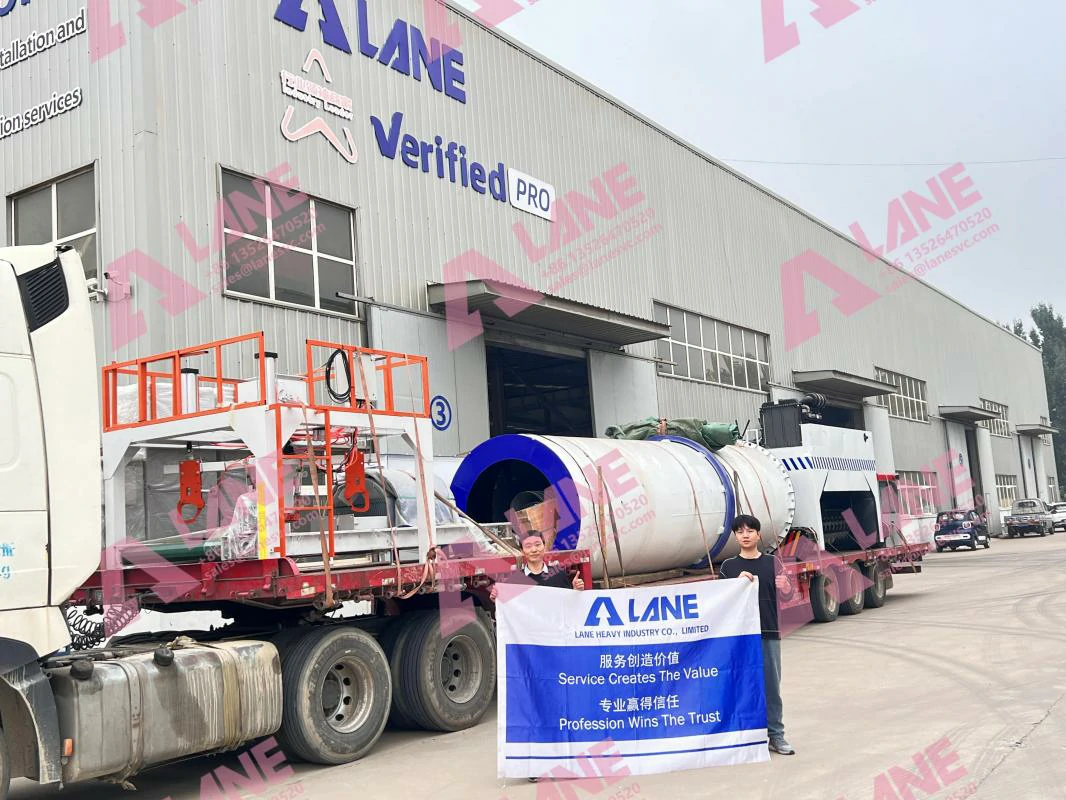
For more details, please feel free to contact us.
Henan Lane Heavy Industry Machinery Technology Co., Ltd.
Email: sales@lanesvc.com
Contact number: +86 13526470520
Whatsapp: +86 13526470520