

Biomass Cat Litter Production: A Practical Guide to Process, Materials and Industrial Line Design
Biomass Cat Litter Production: A Practical Guide to Process, Materials and Industrial Line Design
Introduction — Defining Biomass Cat Litter and Its Importance
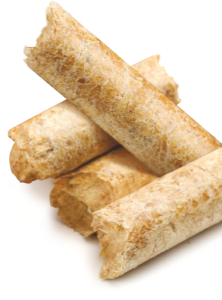
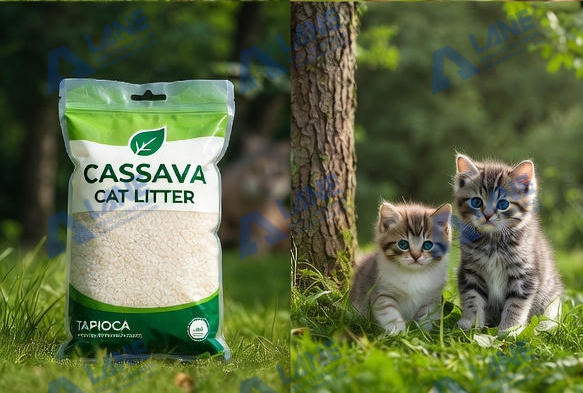
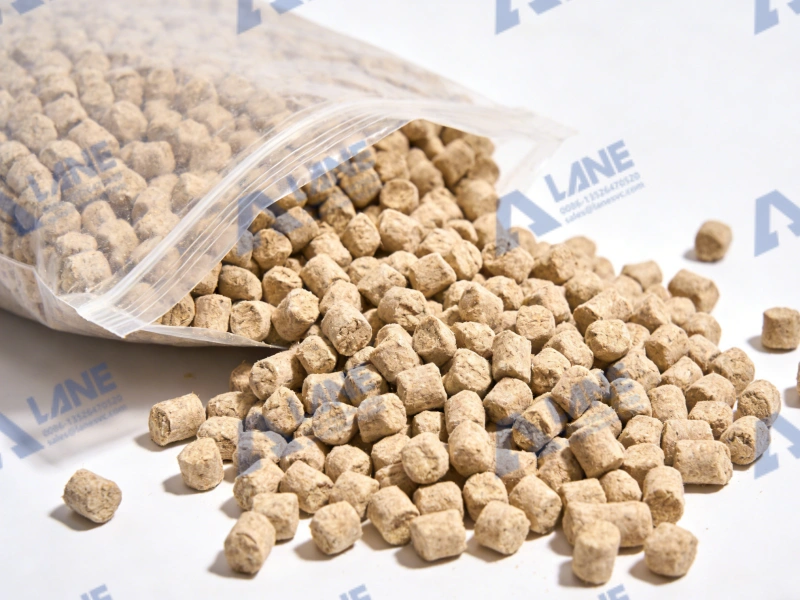
In today’s pet product market, demand for sustainable alternatives to traditional clay-based litter is steadily rising. Biomass cat litter production refers to the manufacturing of cat litter made from renewable, biodegradable raw materials — such as wood chips, recycled paper pulp, tofu residue, and agricultural byproducts — instead of mined minerals. This shift is driven by consumer preference for eco-friendly products and increasing environmental awareness. Unlike conventional clay litter, biomass litter decomposes more readily, making it a preferred choice for environmentally conscious pet owners.
This article presents a clear, step-by-step overview of biomass cat litter production, from raw material selection to finished product packaging, and highlights the key factors in designing efficient industrial production lines.
1. Raw Materials & Their Role in Biomass Cat Litter Production
Selecting the right raw materials lays the foundation for effective biomass cat litter manufacturing. Common ingredients in biomass cat litter include:
-
Wood chips and sawdust — provide structural bulk and natural absorbency.
-
Recycled paper pulp — highly biodegradable and low-dust.
-
Tofu residue and corn starch — often used in clumping, eco-friendly formulas.
Each of these materials brings different characteristics to the final litter product. For example, wood and paper fibers can lend lightweight, low-dust properties, whereas tofu residue and starches can improve clumping and moisture retention. A successful biomass cat litter production plan begins with understanding these raw material behaviors and preparing them accordingly.
2. Pre-Treatment: Preparation for Quality Output
Prior to actual production, raw materials must be pre-treated to ensure consistent particle size and moisture levels. This stage typically includes:
-
Crushing or shredding of larger biomass materials;
-
Screening and impurity removal;
-
Controlled drying to reach target moisture levels.
For example, wood chips and recycled paper often undergo fine grinding and screening so they enter the pelletizing stage at the correct particle size. Meanwhile, materials such as tofu residue may need initial dehydration to bring them into the optimal moisture range before mixing. Consistent pre-treatment is critical; uneven moisture or particle size will directly affect granulation and end-user performance.
3. Mixing & Binder Integration — Creating a Homogeneous Blend
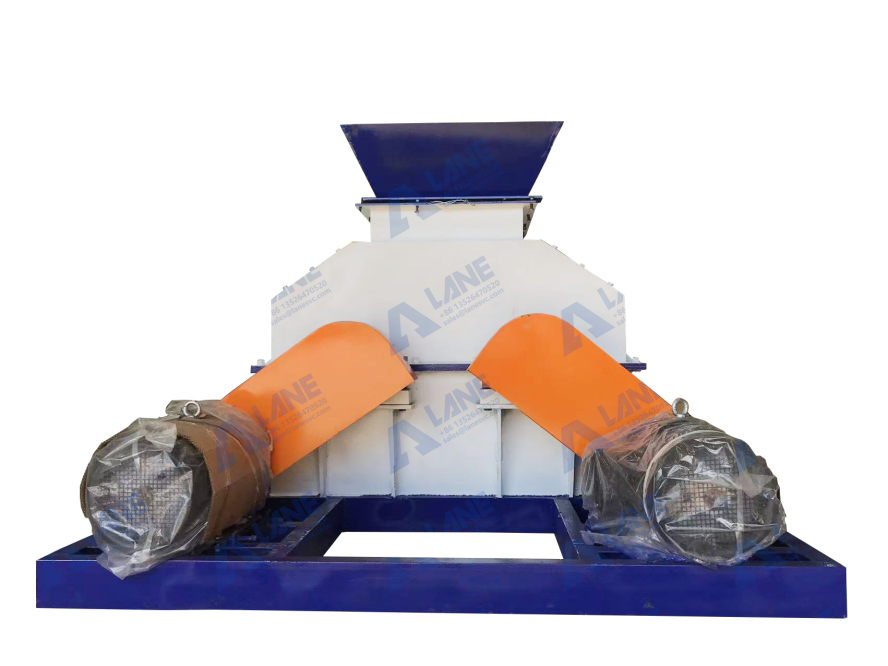
Once raw inputs are prepared, they move to the blending stage. This is where different biomass materials and any optional additives — such as natural binders or deodorizing agents — are combined to create a uniform feedstock.
Effective mixing ensures each batch of litter has consistent absorbency, texture, and performance traits. Without proper blending, the product may show variation in clumping strength or odor control. Many modern biomass cat litter production lines integrate precise dosing and automated mixing systems to minimize human error and enhance repeatability.
4. Granulation & Shaping — The Heart of Production
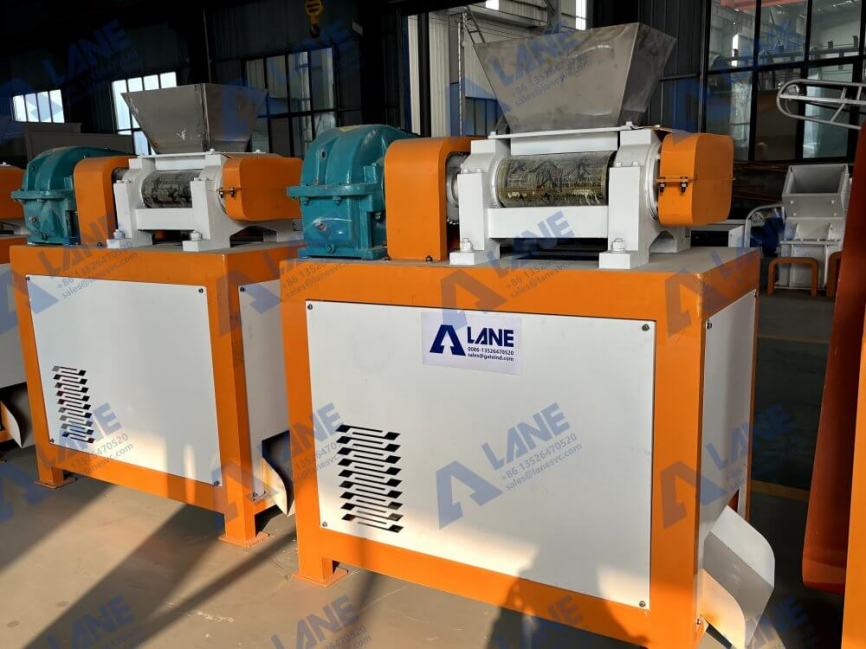
Granulation — the process of forming raw material blends into stable pellets — is arguably the core step in any biomass cat litter line. Depending on the desired litter format (e.g., pellets, granules), different machinery may be deployed:
-
Ring die pellet mills for high-capacity, uniform pelletization;
-
Disc or pan granulators when flexible granule sizing is needed;
-
Extrusion systems for specialty shapes or textures.
These machines compress and shape the feedstock into granules with controlled density and size. Proper granulation directly affects product absorbency, clumping behavior, and user satisfaction — all key metrics in biomass cat litter performance.
5. Drying, Cooling & Screening — Stabilizing the Pellets
After granulation, pellets often carry residual moisture and heat. They must be dried and cooled in preparation for packaging. This involves:
-
Drying to reduce moisture content, improving storage life;
-
Cooling to solidify pellet structure, preventing breakage;
-
Screening to size-grade pellets and remove fines.
A typical sequence involves forced hot air dryers and belt coolers that work in concert to condition pellets before they’re sorted by vibrating screens. Getting these steps right ensures a stable product profile and reduces waste — a critical goal in biomass cat litter production.
6. Packaging & Quality Assurance — Delivering Ready-to-Sell Product
With pellets dried and screened, the final stage in biomass cat litter production is packaging. Automated packaging machines help ensure precise fill weights, maintain hygiene, and support efficient dispatch. Many systems integrate inline checks for moisture content, pellet uniformity, and weight accuracy — enabling brands to uphold consistent product quality for end users.
7. Industrial Design Considerations for Biomass Production Lines
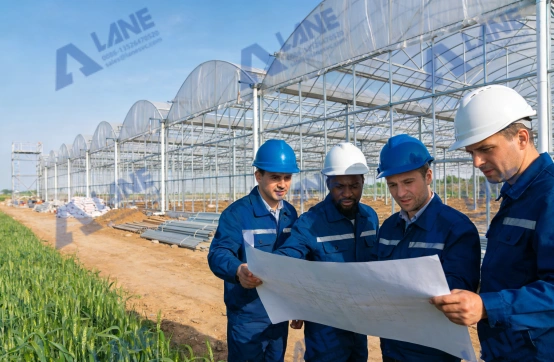
Designing a robust production line involves more than stringing machines together. It also requires thoughtful layout, workflow optimization, and scaling plans. A well-designed biomass cat litter production line should:
-
Minimize material handling distance between stages;
-
Allow space for future expansion or upgrades;
-
Include dust control and environmental safety features;
-
Provide easy access for maintenance and cleaning.
Modular design principles are often favored because they allow producers to adapt the line for different raw material blends, capacities, or performance goals without major overhauls.
8. Environmental & Market Trends Driving Biomass Cat Litter Production
Environmental factors play a significant role in shaping the biomass cat litter market. Compared with clay or silica litters, biomass alternatives — including wood, paper, and plant-based formulations — are often biodegradable and lighter in weight, which reduces landfill impact and transport emissions. Pet owners increasingly seek these sustainable options as part of broader eco-responsibility.
On the industrial side, consumers’ growing preference for eco-labeled products has prompted companies to invest in advanced biomass cat litter production lines, recognizing that well-engineered manufacturing processes can unlock new market opportunities and support higher price positioning.
Conclusion — Realizing Effective Biomass Cat Litter Production
To succeed in the competitive pet care market, manufacturers must build production systems that deliver consistent quality, efficient throughput, and meeting sustainability expectations. Biomass cat litter production requires attention to raw material behavior, process sequencing, equipment selection, and industrial line planning. Achieving excellence in each of these areas enables brands to produce high-performance, eco-friendly cat litter that resonates with today’s consumers.
If you’re planning to design or optimize your biomass cat litter production line, exploring professional engineering support and tailored equipment solutions can significantly accelerate your path to reliable, scalable success.
For more details, please feel free to contact us.
Henan Lane Heavy Industry Machinery Technology Co., Ltd.
Email: sales@lanesvc.com
Contact number: +86 13526470520
Whatsapp: +86 13526470520