

Biodegradable vs Non-Biodegradable Cat Litter: Production, Performance and Sustainable Opportunities for Manufacturers
Biodegradable vs Non-Biodegradable Cat Litter: Production, Performance and Sustainable Opportunities for Manufacturers
Introduction – Why Cat Litter Type Matters for Consumers and Manufacturers
Choosing the right cat litter has become more than a consumer preference — it now reflects broader environmental concerns and manufacturing strategies. The comparison between biodegradable vs non-biodegradable cat litter highlights not only differences in materials and performance but also how the pet supply industry is pivoting toward sustainability. As eco-friendly products gain traction, both product developers and equipment manufacturers must understand these dynamics to stay competitive and innovative in the market.
Many pet owners today actively compare biodegradable vs non-biodegradable cat litter not just on performance but on environmental impact, as plant-based litters made from corn, wood, or recycled paper decompose naturally while non-biodegradable options persist in landfills indefinitely.
Overview of Non-Biodegradable Cat Litter
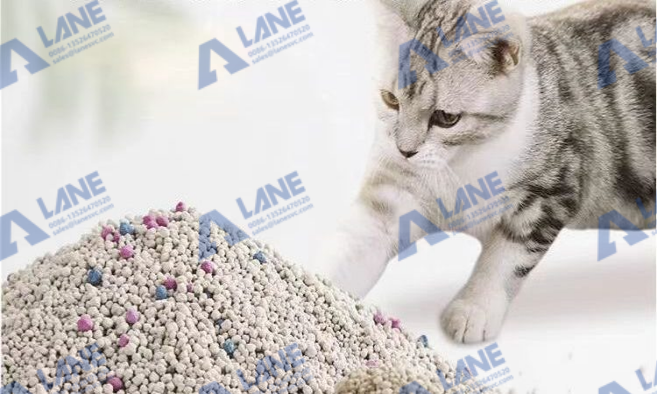
Traditionally, cat litter has been dominated by non-biodegradable materials such as bentonite clay and silica. These materials offer excellent clumping and odor control, which has made them popular among cat owners for decades. However, bentonite clay is mined through strip-mining practices that can have a significant environmental impact, and once used, this type of litter does not break down in landfills. Around 70% of bentonite litter waste ends up in landfills, contributing to environmental pressure on waste management systems.
Non-biodegradable cat litter’s production process generally involves crushing, mixing, granulation, drying, and packaging — all using heavy mineral feedstocks. While performance is strong, long-term ecological impact and dust concerns have driven the search for alternatives.
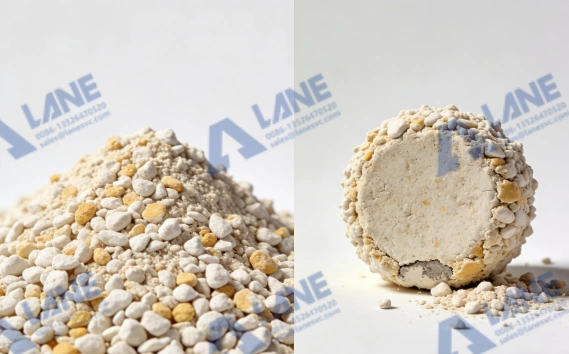
Rise of Biodegradable Cat Litter: Materials and Environmental Benefits
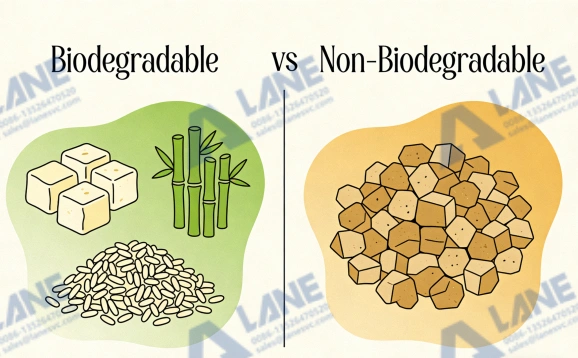
In contrast, biodegradable cat litter is made from plant-based or natural materials that break down more easily after disposal. These can include corn, wheat, recycled paper, wood fibers, coconut husk, and even soybean residue — such as tofu byproducts — which are fully compostable under the right conditions.
Biodegradable litters have several environmental and practical advantages: they typically produce less dust, are free from chemical additives, and reduce landfill waste compared to their non-biodegradable counterparts. They also appeal to consumers who prioritize sustainability and less harmful indoor air quality effects. When evaluating biodegradable vs non-biodegradable cat litter, many consumers now prioritize renewable feedstocks like wood, corn, and recycled paper that naturally decompose, reducing landfill burden compared to traditional clay litter that remains buried indefinitely.
Production Considerations: Challenges and Techniques for Biodegradable Litter
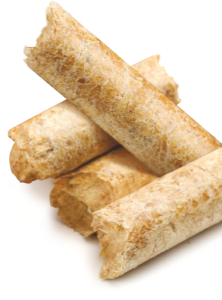
Producing biodegradable cat litter often requires different processing techniques than non-biodegradable types. Natural raw materials can have higher moisture content and variable properties, making consistent pellet formation more complex.
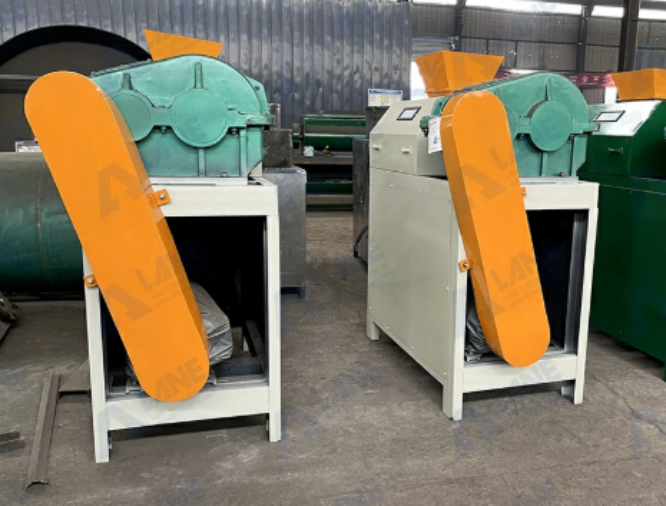
For example, a tofu-based litter requires careful moisture control and low-temperature drying to preserve its natural absorbency and particle integrity. Technologies like ring die pellet mills and precision dryers help maintain quality while keeping dust and energy use low. LANE’s ring die pellet mill and rotary dryer setups are designed to handle plant-based feedstocks like soybean residue and bamboo fiber with high efficiency and stability.
These differences underscore why manufacturers contemplating a shift toward biodegradable products must invest in tailored equipment and process designs, ensuring production lines meet sustainability goals without compromising quality. The debate between biodegradable vs non-biodegradable cat litter often centers on disposal methods, since biodegradable materials can break down under proper conditions while clay-based litter remains physically unchanged for decades.
Equipment and Technologies Behind Biodegradable Cat Litter Lines
At the heart of any biodegradable cat litter production line are the machines that handle raw materials through to final packaging. Modern solutions emphasize automation, energy efficiency, and minimal emissions. For tofu- and plant-based litter, equipment includes:
-
Ring Die Pellet Mills for consistent pellet formation with adjustable sizes.
-
Hammer Crushers for uniform raw material pulverization, including plant residues.
-
Dryers and Coolers that maintain low moisture content, improving clumping properties.
-
Screeners and Packaging Systems that ensure product finish quality and shelf readiness.
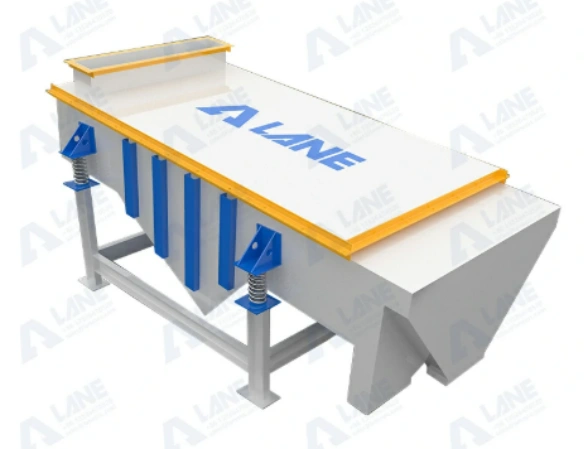
Such systems not only support biodegradable litter production but also reduce energy consumption and dust emissions, aligning with environmental regulations and consumer expectations.
Consumer Performance Comparison: Biodegradable vs Non-Biodegradable
From a consumer perspective, the biodegradable vs non-biodegradable cat litter debate often centers on performance attributes:
-
Odor Control and Clumping: While many biodegradable products now offer competitive odor control and clumping, traditional clay litters have long been seen as a benchmark for these traits.
-
Dust Generation: Biodegradable litters typically generate less dust due to their natural fibrous composition, contributing to better indoor air quality and fewer respiratory concerns.
-
Disposal Convenience: Biodegradable litters can be compostable (in suitable conditions) or easier to dispose of sustainably, though regulations vary by region.
In the comparison of biodegradable vs non-biodegradable cat litter, it’s worth noting that many plant-based formulas also offer natural odor control without artificial chemicals, addressing key performance concerns. These performance differences reflect evolving consumer choices and support the case for manufacturers to offer a broader array of litter options, including eco-friendly formulas. When considering biodegradable vs non-biodegradable cat litter, many consumers find that plant-based litters produce less dust and fewer respiratory irritants, benefiting both cats and humans with sensitive lungs.
Market Trends and Growth Drivers for Biodegradable Cat Litter
The global cat litter market is shifting toward sustainability. In 2025, biodegradable cat litter accounted for roughly 25% of the global cat litter market, with expected continued growth at around a 7.2% CAGR through 2035. This reflects rising demand for eco-friendly products, particularly among younger, environmentally conscious consumers. Market data shows a clear shift in preferences when evaluating biodegradable vs non-biodegradable cat litter, with many pet owners now willing to pay a premium for eco-friendly options that minimize landfill waste.
Urbanization and higher disposable incomes also contribute to rising cat ownership and pet care spending, driving premium and biodegradable cat litter adoption. These trends present strategic opportunities for manufacturers to innovate or expand production lines tailored for natural, plant-based litter materials. Growing consumer awareness of biodegradable vs non-biodegradable cat litter has fueled innovation in the pet care industry, with manufacturers introducing formulations that blend sustainable materials and enhanced odor-control performance.
Sustainability and Regulatory Landscape Impacting Cat Litter Production
Increasing regulatory pressure and environmental advocacy are pushing brands toward reducing their ecological footprint. Biodegradable cat litter, with its potential for compostable or lower environmental impact disposal, aligns with these sustainability goals. The choice between biodegradable vs non-biodegradable cat litter has implications for long-term sustainability, as biodegradable litter made from materials like tofu and bamboo helps reduce overall environmental footprint.
Manufacturers investing in eco-friendly production can anticipate future policy shifts that favor renewable materials over non-biodegradable alternatives, enhancing brand reputation while lowering long-term compliance risks. Different types of litter, when framed through biodegradable vs non-biodegradable cat litter, illustrate how plant-based options can contribute to a cleaner home environment due to reduced dust and improved compostability
Strategic Insights for Manufacturers: Choosing the Right Production Approach
For production facilities evaluating expansion or new product lines, understanding the difference between biodegradable vs non-biodegradable cat litter is critical. Traditional clay litter lines may offer stable, well-understood economics, while biodegradable lines provide differentiation and access to growing eco-friendly segments.
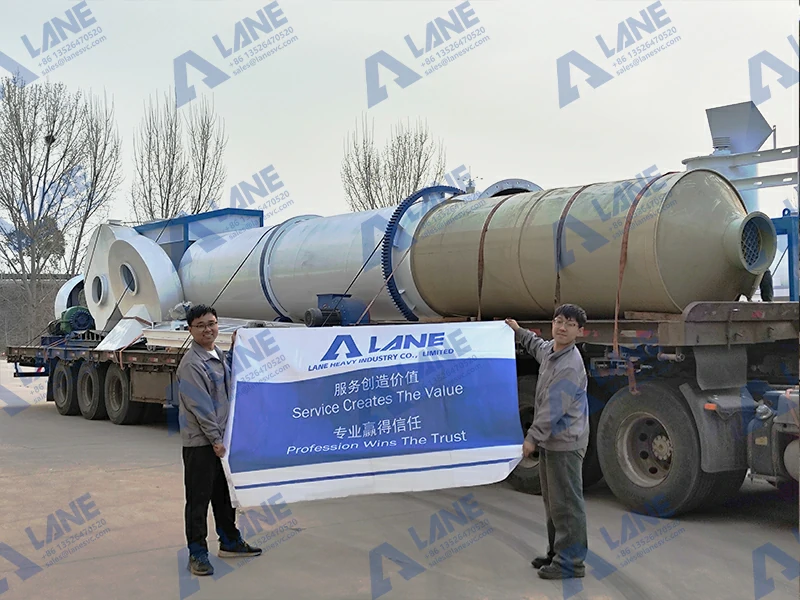
Partnering with experienced equipment providers like the team behind LANE’s cat litter production lines can help manufacturers adopt hybrid strategies, integrating both traditional and plant-based production technologies into flexible manufacturing footprints.
Conclusion – The Future of Cat Litter Production and Sustainable Innovation
In comparing biodegradable vs non-biodegradable cat litter, it becomes clear that the industry is at a crossroads of performance, environmental expectation, and manufacturing innovation. As consumer preferences shift and regulatory pressures rise, offering both types of litter — and enabling flexible production approaches through advanced equipment and turnkey solutions — positions manufacturers for sustained growth.
Biodegradable litter solutions stand to capture an increasing share of the market as pet owners seek products that balance performance with environmental stewardship, driving both sales and brand value in a competitive global landscape.
For more details, please feel free to contact us.
Henan Lane Heavy Industry Machinery Technology Co., Ltd.
Email: sales@lanesvc.com
Contact number: +86 13526470520
Whatsapp: +86 13526470520