

Biodegradable Tofu Cat Litter Manufacturing: How It’s Made
There’s a quiet revolution happening in the pet care industry, and most people don’t notice it until they’re standing in a store aisle wondering why their usual clay litter feels outdated. Biodegradable tofu cat litter has moved from niche novelty to mainstream contender in under a decade. The manufacturing process behind tofu cat litter, though, rarely gets the attention it deserves. Let me walk you through how it actually works — not the marketing version, the real production engineering.
What Makes the Raw Material Special
The story starts with okara — soybean pulp, the fibrous byproduct left over after soybeans are processed. This material, which would otherwise end up as low-value feed or landfill waste, becomes a premium product. That’s the foundational logic behind tofu cat litter: high-performance results from agricultural byproduct.
From what I’ve seen working with producers across East Asia, the quality of incoming soybean pulp matters far more than most buyers initially realize. Freshness, moisture content, particle uniformity — these aren’t secondary concerns. They directly affect pellet integrity, clumping performance, and shelf life. Sourcing decisions echo through every step downstream.
The Manufacturing Process, Step by Step
Stage 1: Drying the Raw Material
Soybean pulp arrives with moisture content typically between 70% and 85% — far too wet for granulation. The first priority is drying.
Industrial rotary drum dryers handle this at scale, circulating hot air through the rotating drum and reducing moisture to the 10–15% range needed for the next stage. Getting this wrong is one of the most common causes of pellet crumbling in biodegradable tofu cat litter production. Producers who cut corners on dryer maintenance pay for it in product returns.
Stage 2: Grinding
Once dried, the pulp goes through size reduction. A Raymond mill or similar grinding equipment pulverizes the material into consistent fine powder. Uniform particle size is non-negotiable — irregular particles create uneven granule formation and inconsistent clumping in the finished tofu cat litter pellet.
Some facilities add natural deodorizers at this stage: corn starch, activated carbon, or plant-based fragrance compounds, depending on target product specifications.
Stage 3: Granulation
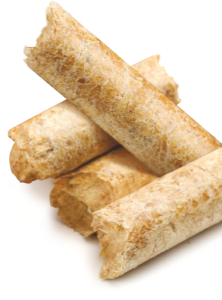
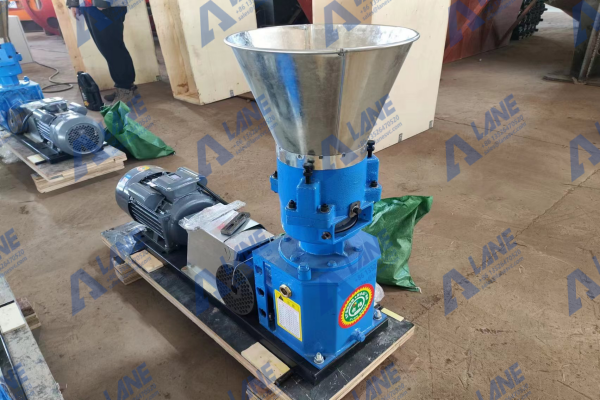
This is the heart of the operation. Conditioned powder is fed into a flat die pellet mill or, for higher-output facilities, a ring die pellet mill. Pressure and friction compact the powder into the cylindrical pellets that define tofu cat litter across every brand and market segment.
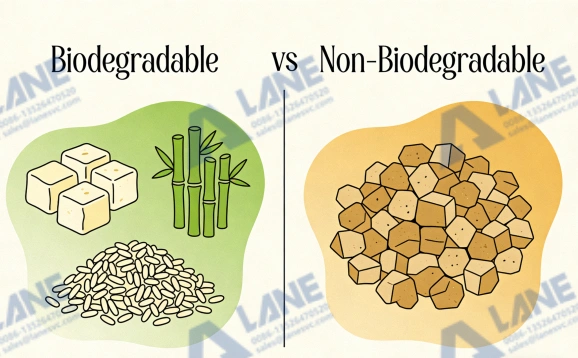
A detail that surprises most people: no synthetic binders are added at this stage in quality operations. The natural proteins and starches in soybean pulp act as the binding matrix under the right combination of heat and pressure. That’s precisely why biodegradable tofu cat litter carries genuine environmental credentials — it’s almost entirely compressed plant material.
Pellet dimensions — typically 2–3mm diameter, 5–8mm length — are controlled by die configuration. Adjusting die specs is how manufacturers differentiate tofu cat litter products for specific markets.
Stage 4: Cooling and Screening
Fresh pellets exit at elevated temperatures and need cooling before packaging. A rotary drum cooler stabilizes pellet hardness, then a vibrating screen separates finished product by size, removing fines and oversized particles.
Fines get recycled back into the granulation feed — closed-loop, cost-efficient, and low-waste.
Stage 5: Dust Control
Any serious production facility handles airborne dust carefully. A bag filter (pulse-jet type) captures particulates from the grinding and granulation stages, protecting workers and keeping operations within environmental compliance.
Stage 6: Packaging
Final product moves through a belt conveyor system to automated packaging lines for filling and sealing. Weight accuracy and seal integrity are the key checkpoints here.
Core Equipment on a Production Line
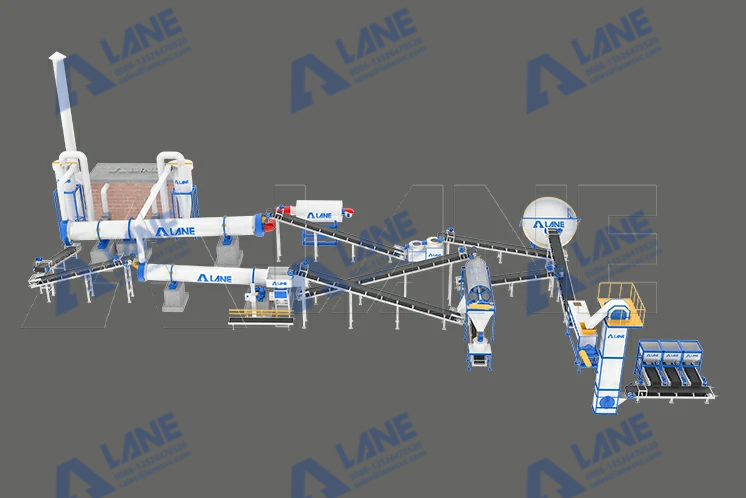
A complete line for manufacturing biodegradable tofu cat litter typically includes:
- Rotary drum dryer— moisture reduction from raw soybean pulp
- Raymond mill— fine powder preparation
- Flat die pellet millor ring die pellet mill — core granulation
- Rotary drum cooler— post-granulation pellet hardening
- Vibrating screen— particle size classification and fines removal
- Bag filter— dust collection and environmental compliance
- Belt conveyor system— material transfer between stages
- Packaging machine— automated filling and sealing
Output capacity varies. Entry-level lines run 1–2 tons per hour; mid-scale operations reach 3–5 t/h. Suppliers like LANE, with deep experience in granulation and material processing systems, offer configurable line designs well suited to the specific characteristics of soybean-based feedstocks.
Real Production Challenges
To be honest, the textbook process looks cleaner than reality. Soybean pulp sourcing is seasonal and variable. Humidity swings affect granulation behavior. Hardness targets differ between Japanese and European markets — meeting those differences requires real process adjustments, not just marketing copy changes.
I’ve seen facilities invest heavily in excellent granulation equipment only to struggle with inconsistent raw material. The fix is almost always upstream: tighter supplier specs, on-site moisture testing, and proper buffer storage. Obvious in retrospect, but easy to overlook when focus is on equipment selection.
Why Demand Keeps Growing
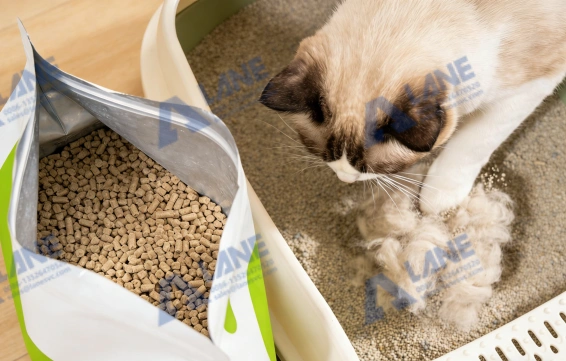
Environmental pressure is accelerating. Consumers are moving away from sodium bentonite clay — non-renewable, heavy to ship, and essentially permanent in a landfill. Tofu cat litter addresses every one of those concerns: flushable in many markets, compostable in most, and genuinely lightweight compared to clay.
The production economics work too. Soybean pulp is widely available agricultural waste at low cost across Asia. That raw material cost advantage supports competitive retail pricing without sacrificing margin — rare in pet care manufacturing.
Closing Thoughts and Next Steps
Manufacturing biodegradable tofu cat litter is technically involved, but every step has clear industrial logic behind it. From drying and grinding through granulation, cooling, and screening — each unit operation connects to the next with real process engineering.
If you’re evaluating a line investment or sourcing equipment for a new tofu cat litter facility, early decisions define output quality and flexibility for years. Contact our engineering team to discuss capacity requirements, raw material specs, and equipment configurations suited to your target market.
Frequently Asked Questions
Q1: What raw material is used to produce biodegradable tofu cat litter?
The primary feedstock is okara — soybean pulp, the byproduct of tofu manufacturing. It’s widely available, low-cost, and rich in natural proteins and starches that enable pelletization without synthetic binders.
Q2: Is tofu cat litter genuinely biodegradable?
Yes. Because it is produced from compressed plant-based material without synthetic clay or chemical binders, it breaks down naturally in compost conditions. Most formulations are also flushable in small quantities, though local plumbing regulations should be checked first.
Q3: Can pellet hardness be adjusted for different markets?
Hardness is controlled primarily by die specifications and processing temperature in the pellet mill. Manufacturers can adjust within a meaningful range — Japanese consumers tend to prefer softer pellets, while European buyers often favor firmer ones.
Q4: What production capacity is realistic for a new facility?
Entry-level lines typically produce 1–2 tons per hour. Mid-scale operations run 3–5 t/h. Most investors begin with a single mid-capacity line and scale up as demand develops.
Q5: How does manufacturing tofu cat litter compare to clay litter production?
Clay litter manufacturing is simpler — primarily mining, drying, and sizing. Producing tofu cat litter requires more steps, including precise moisture management and granulation. The additional complexity is offset by lower raw material costs and growing consumer demand for sustainable alternatives.
Q6: What certifications matter for export markets?
Requirements vary by destination. EU markets typically require REACH compliance and biodegradability documentation. Japan has JIS standards for pet litter. US markets commonly require ASTM D6400 or equivalent testing. Working with a compliance specialist before export is strongly recommended.
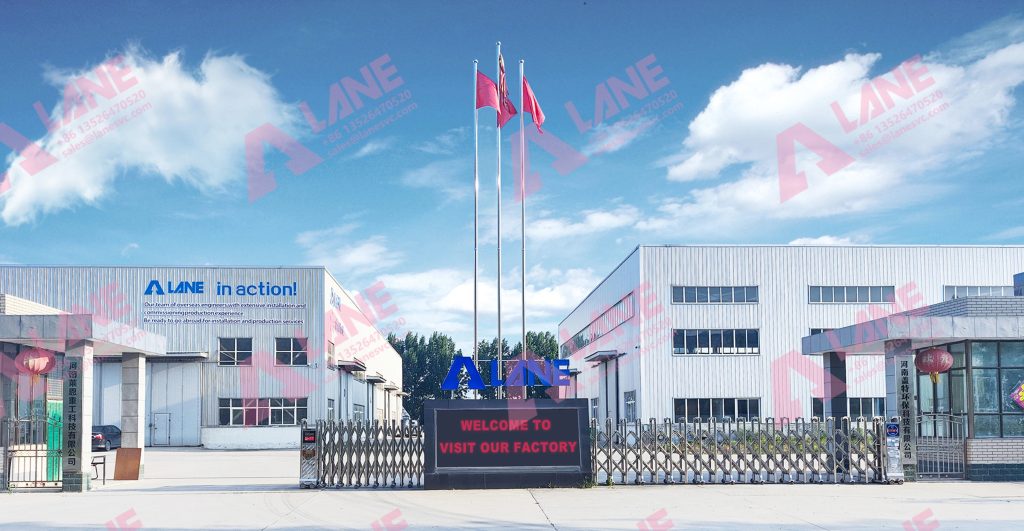
For more details, please feel free to contact us.
Henan Lane Heavy Industry Machinery Technology Co., Ltd.
Email: sales@lanesvc.com
Contact number: +86 13526470520
Whatsapp: +86 13526470520