

Biodegradable Cat Litter Equipment: Key Considerations for Eco-Focused Manufacturers
Biodegradable Cat Litter Equipment: Key Considerations for Eco-Focused Manufacturers
As environmental awareness increases, more consumers and manufacturers are turning toward sustainable pet care products.
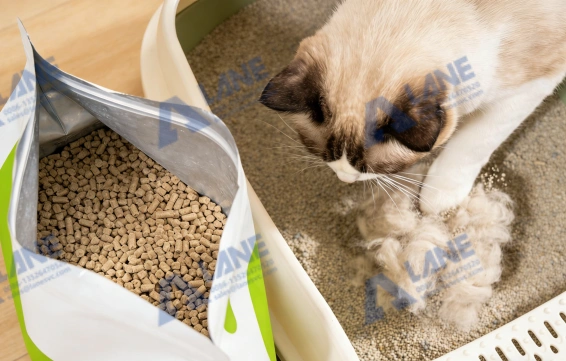
Among them, biodegradable cat litter stands out as a growing segment with strong demand in Europe, North America, and other eco-conscious markets.
Unlike traditional clay litters, biodegradable cat litter uses plant-based or recycled materials that can break down naturally, reducing landfill burden and aligning with modern sustainability goals.
At the heart of producing this new generation of pet products lies the right biodegradable cat litter equipment, a collection of machines and process steps that handle materials, shape them into usable products, and help maintain performance while minimizing environmental impact. Below, we discuss key production issues, critical equipment choices, and practical tips for companies entering this space.
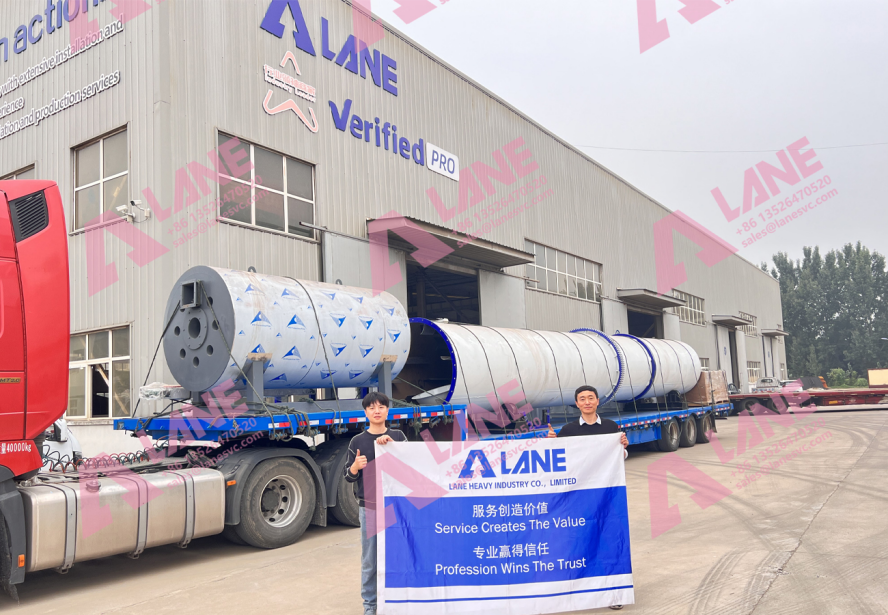
LANE, constantly innovating and developing, keeps up with The Times, and actively increases research and investment in biodegradable cat litter equipment, making efforts for global environmental protection.
Why Biodegradable Cat Litter Matters
Traditional cat litter — especially bentonite-based clay — is not biodegradable and often ends up in landfills for hundreds of years after use. With millions of tons of cat litter disposed of yearly, the environmental burden is significant.
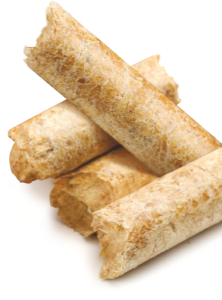
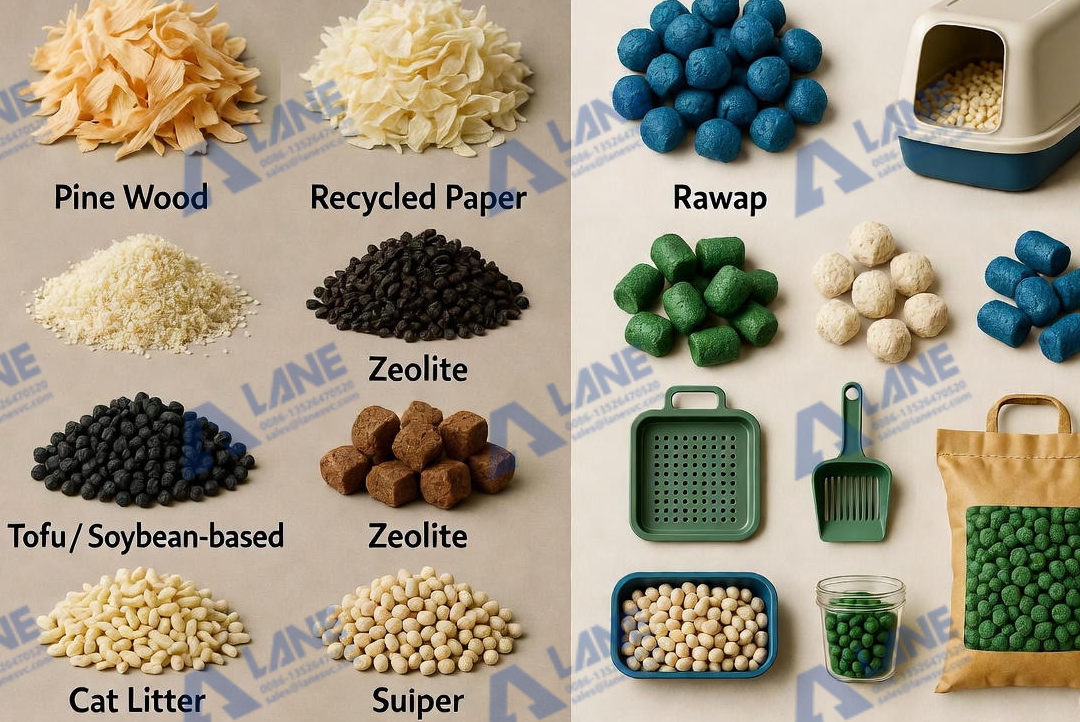
In contrast, biodegradable litters use renewable, organic components like wood fiber, recycled paper, husks, or starch from plants such as corn or cassava. These litters break down over time under the right conditions, and some are even certified compostable under standards like EN 13432 or similar.
Products made from plant fibers, recycled paper, or similar materials also tend to produce less dust and are more comfortable for cats’ paws, adding to consumer appeal.
Understanding Raw Materials and Feedstock
One of the first steps in designing an efficient biodegradable cat litter equipment lineup is selecting the right raw materials.
Popular options include:
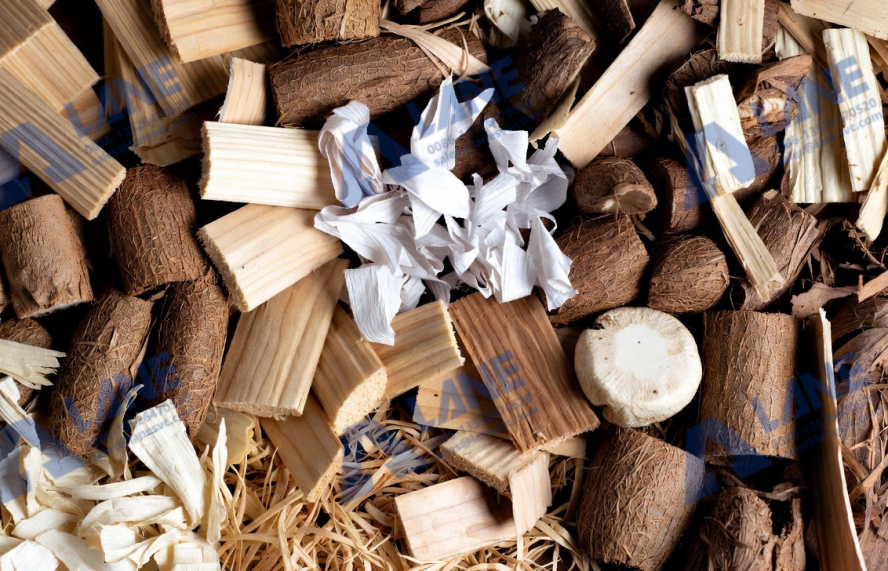
- Wood chips and fibers (from sustainably managed forests)
- Recycled paper or cardboard pulp
- Agricultural by-products like husks, corn cobs, or cassava residues
- Bamboo or other fast-growing plant fiber materials
Each feedstock interacts differently with water, heat, and processing equipment, so early testing is essential. For example, wood fibers are lighter and more absorbent, while paper pulp compacts differently and may require distinct drying strategies.
Understanding how these raw inputs behave in mixing, forming, and drying helps producers determine what biodegradable cat litter equipment will best meet their production goals. Selecting suitable raw inputs directly impacts how biodegradable cat litter performs, and the makeup of your biodegradable cat litter equipment determines whether materials like fibers or plant starches are handled efficiently.
Biodegradable Cat Litter Equipment Stages and Machines
A complete eco-litter production line does not rely on a single machine. Instead, it integrates a sequence of equipment tailored to material characteristics, output capacity, and product form (pellet, block, granule, etc.).
1. Material Preparation and Crushing
Before any shaping or forming, raw materials often need to be prepped to a consistent particle size. For plant fibers, recycled paper, or husks, a crusher or shredder helps break down larger chunks into more manageable pieces, improving subsequent mixing and forming performance.
For example: Wood chip crushers;Hammer mills for recycled paper;Fiber shredders for agricultural residues.
These machines establish uniform feedstock that enters the production line smoothly.
2. Mixing and Conditioning
Mixing equipment is critical for biodegradable formulations. Unlike clay or silica, plant-based materials benefit from uniform blending with binders or moisture enhancers.
Horizontal mixers or paddle mixers allow manufacturers to combine fiber with water or eco-friendly binders evenly, preparing the feedstock for forming. Proper mixing directly influences how well the biodegradable media binds and ultimately affects performance such as absorbency and odor control.
A high-precision mixer included in modern biodegradable cat litter equipment helps evenly distribute moisture and binders, forming a homogenous blend before shaping.
3. Shaping and Forming Systems
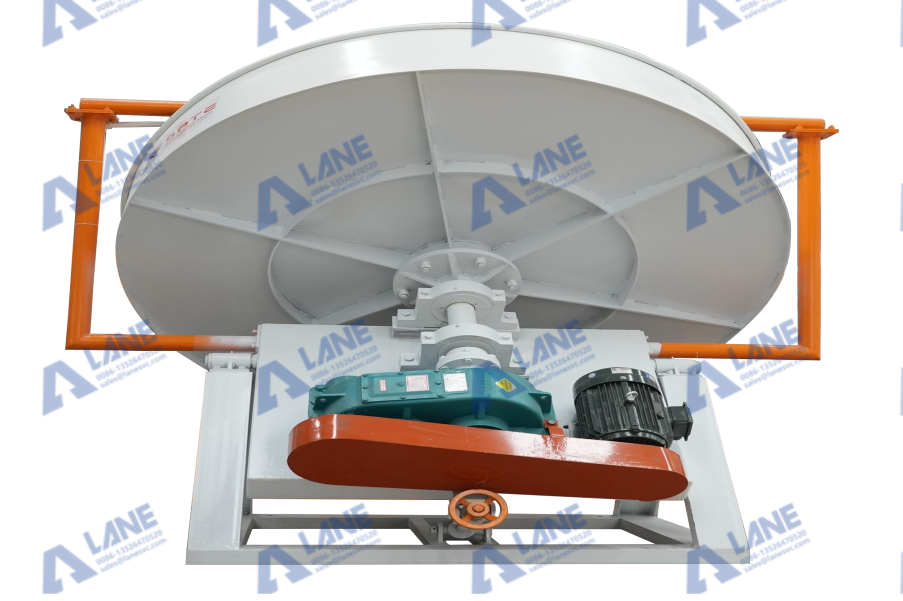
The core of biodegradable cat litter equipment lies in shaping the feedstock into usable litter granules or pellets. Depending on the product style (pellets, granules, or molded shapes), machines such as:
Flat die or ring die granulator
Granulators tailored to softer plant materials
Extrusion forming systems
help convert mixed material into shape. These forming systems need to handle variable moisture and organic binders without clogging or degrading product structure.
Design flexibility — such as adjustable die sizes — lets manufacturers produce litters with differing textures, sizes, and densities, catering to diverse market preferences.
4. Drying and Cooling Units
Once shaped, biodegradable litter often contains significant moisture. Unlike mineral litters, plant-based products require gentle, controlled drying to avoid scorching or weakening organic binders.
Dryers with adjustable temperature zones or multi-stage drying systems help remove moisture while preserving structural integrity. After drying, cooling conveyors or coolers bring temperatures down for handling and packaging.
Efficient drying and cooling not only improve product stability but also reduce dust — a top concern for pet owners seeking both performance and air quality.
5. Screening and Quality Grading
To meet retail specifications, manufacturers use vibrating screens or sifters to separate correctly sized pellets or granules from fines or oversized pieces. Quality biodegradable cat litter equipment here enhances product uniformity, giving consistent performance that reduces complaints and improves customer satisfaction.
Screening also allows rejected material to be recycled back into earlier stages, increasing yield and reducing waste.
6. Packaging and Bagging Systems
Packaging plays a considerable role in biodegradable litter’s market appeal. Many consumers choose these products because they align with eco-friendly lifestyles, so packaging — including compostable bags or recyclable cartons — must reflect that positioning.
Automated baggers, weighers, and sealing machines that handle lighter plant-based litter without crushing or over-packing help maintain quality from factory to shelf.
Environmental Standards and Compliance
Eco-litters are often marketed as compostable or biodegradable, but claims must align with standards like EN 13432 (for compostability) or meet local certifications if exported to Europe, North America, or other regulated markets.
Manufacturers should integrate equipment capable of consistent quality testing and tracking — such as in-line moisture sensors or size analyzers — helping meet both regulatory and customer expectations.
Balancing Performance with Eco Credentials
Consumer demand for biodegradable cat litter tends to emphasize low dust, strong odor control, and environmental friendliness. Achieving this balance requires sophisticated biodegradable cat litter equipment and optimized process design rather than simply swapping raw materials.
For example, wood fiber litters that are compostable and light on emissions often require different granulation speeds and drying profiles than corn or cassava-based litters.
Proper equipment matching — from mixer choice to dryer configuration — makes a critical difference in output quality and ecological performance.
Future Trends in Biodegradable Litter Technology
Looking ahead, innovation in biodegradable litter production will likely focus on:
-
Smarter drying and moisture control for plant materials
-
Automated quality sensors in production lines
-
Recyclable or compostable packaging solutions
-
Integrated dust control modules for cleaner environments
As consumer preferences continue to push for sustainability, advancements in biodegradable cat litter equipment help manufacturers respond with competitive, high-quality products.
Sincere Advice
Investing in the right biodegradable cat litter equipment is essential for manufacturers who want to compete in a market where eco credentials matter as much as product performance. From material prep and shaping to drying, screening, and packaging, each piece of equipment contributes to the final litter’s usability and sustainability.
For manufacturers evaluating new production lines, focusing on equipment that respects material properties, environmental standards, and operational efficiency helps deliver products that satisfy both customers and regulatory bodies.
For more details, please feel free to contact us.
Henan Lane Heavy Industry Machinery Technology Co., Ltd.
Email: sales@lanesvc.com
Contact number: +86 13526470520
Whatsapp: +86 13526470520