

Best Practices for Cat Litter Equipment Maintenance: Keep Your Production Line Running Smoothly and Efficiently
Best Practices for Cat Litter Equipment Maintenance: Keep Your Production Line Running Smoothly and Efficiently
1. 🐾 When Maintenance Becomes the Real Bottleneck
Many manufacturers focus heavily on equipment selection and production capacity—but overlook maintenance.
In reality, most production interruptions are not caused by equipment failure, but by:
✦ lack of routine inspection
✦ improper operation
✦ delayed maintenance
As industry experience shows, regular inspection and timely servicing are key to preventing costly downtime
That’s why understanding Best Practices for Cat Litter Equipment Maintenance is essential—not only to fix problems, but to prevent them before they occur.
2. ⚙️ What Equipment Needs the Most Attention?
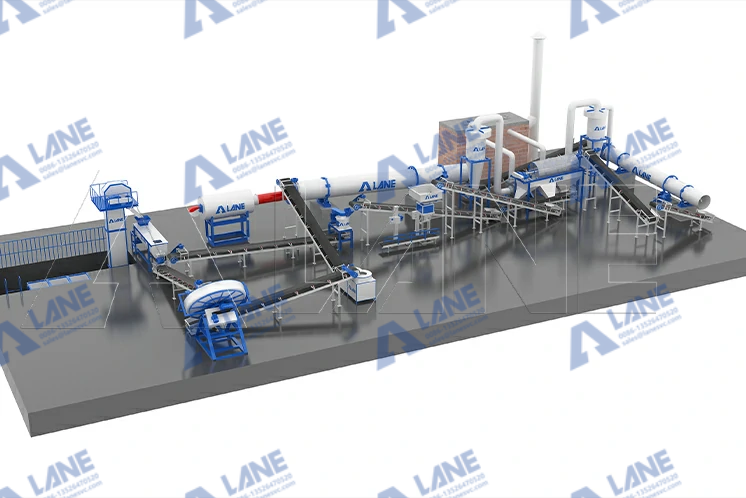
A complete cat litter production line includes multiple core machines, each with different maintenance priorities.
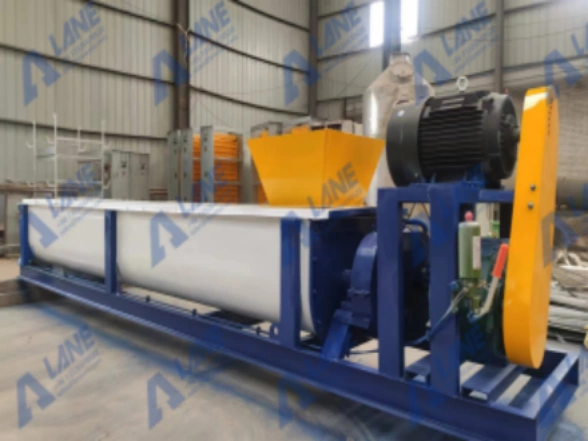
🌀 Mixing Equipment (Horizontal Mixer / Twin Shaft Mixer / Disc Mixer)
♡ check blade wear and mixing uniformity
♡ clean residual materials to prevent buildup
♡ inspect seals and bearings regularly
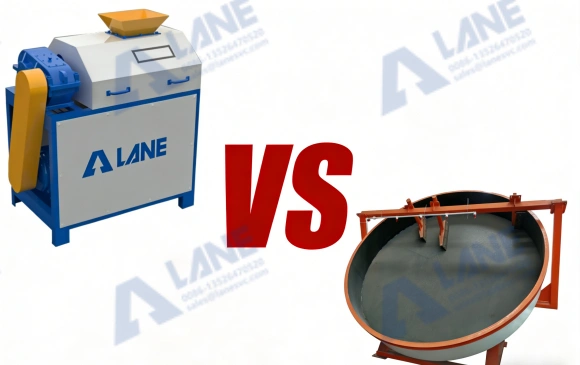
🧱 Granulation Equipment (Disc Granulator / Roller Press)
♡ monitor pressure stability
♡ inspect roller or disc surface wear
♡ ensure consistent feeding
🔥 Drying Equipment (Rotary Dryer)
♡ check temperature control system
♡ clean internal dust accumulation
♡ inspect transmission and sealing system
♡ calibrate weighing accuracy
♡ inspect sealing components
♡ maintain conveyor alignment
Each stage requires targeted maintenance strategies, forming the foundation of Best Practices for Cat Litter Equipment Maintenance.
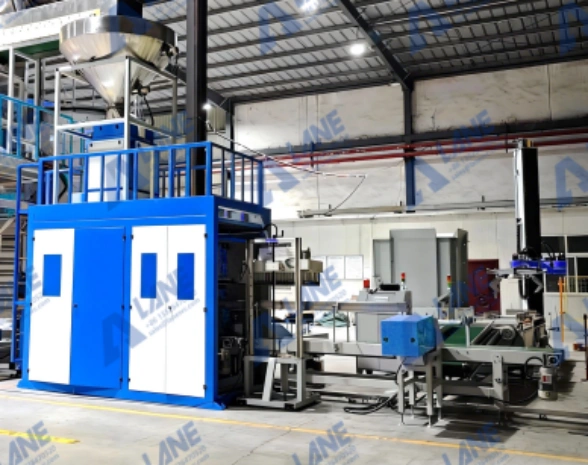
3. 🌟 Daily Maintenance Habits That Make a Big Difference
Many issues can be avoided with simple daily routines.
✦ Operator Walkaround Inspection
Encourage operators to:
♡ observe abnormal noise or vibration
♡ check temperature changes
♡ detect material blockage early
Daily inspections are one of the most effective ways to catch issues before they escalate
✦ Cleaning and Material Control
✦ remove residual materials
✦ prevent moisture accumulation
✦ avoid cross-contamination
In production environments, buildup and poor cleaning are common root causes of performance issues.
✦ Lubrication Check
♡ ensure bearings are properly lubricated
♡ follow scheduled lubrication cycles
♡ avoid over- or under-lubrication
4. 🧠 Preventive Maintenance vs Reactive Repairs
Many factories still rely on “fix it when it breaks”—but this approach leads to:
✦ higher repair costs
✦ unexpected downtime
✦ unstable production
✔ Preventive Maintenance Approach
♡ scheduled inspections
♡ component replacement planning
♡ performance monitoring
Preventive maintenance significantly extends equipment lifespan and reduces long-term costs.
A well-implemented Best Practices for Cat Litter Equipment Maintenance strategy always prioritizes prevention over repair.
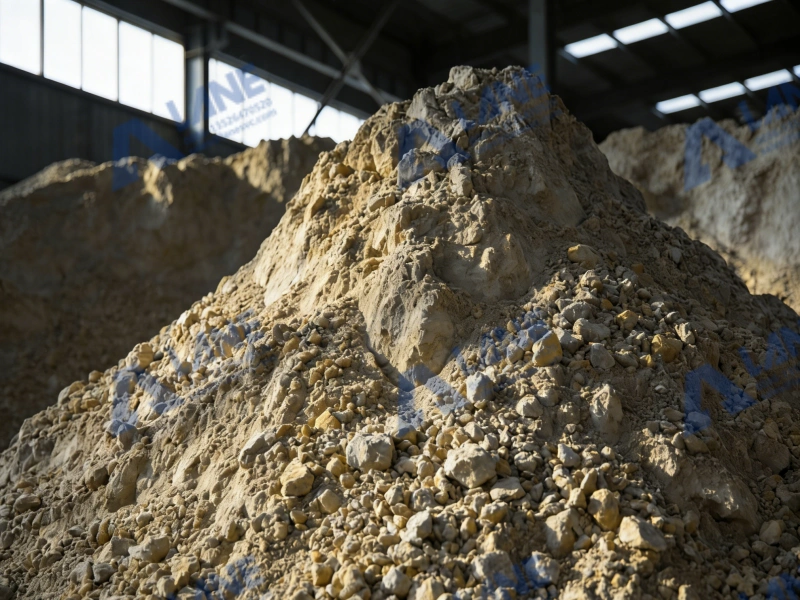
5. 🛠️ Common Equipment Issues and How to Avoid Them
✦ Frequent Problems
✦ mixer material buildup
✦ granulator blockage
✦ dryer inefficiency
✦ packaging inaccuracies
✦ Practical Solutions
♡ optimize raw material moisture
♡ maintain stable feeding conditions
♡ clean systems regularly
♡ monitor equipment load
Many of these issues are not random—they are predictable and preventable through proper maintenance planning.
6. 🌱 LANE Maintenance Philosophy: Engineering + Practicality
At LANE, maintenance is not treated as an afterthought—it is integrated into the entire production solution.
🌟 ✦ Maintenance-Friendly Equipment Design
Our equipment is designed with:
♡ easy-access inspection points
♡ wear-resistant components
♡ optimized structure for cleaning
🌟 ✦ System-Level Optimization
We help customers:
✦ align equipment with raw materials
✦ optimize process parameters
✦ reduce unnecessary wear
🌟 ✦ Technical Support & Training
LANE provides:
♡ operator training programs
♡ maintenance guidelines
♡ long-term technical support
This ensures customers can effectively implement Best Practices for Cat Litter Equipment Maintenance in real production environments.
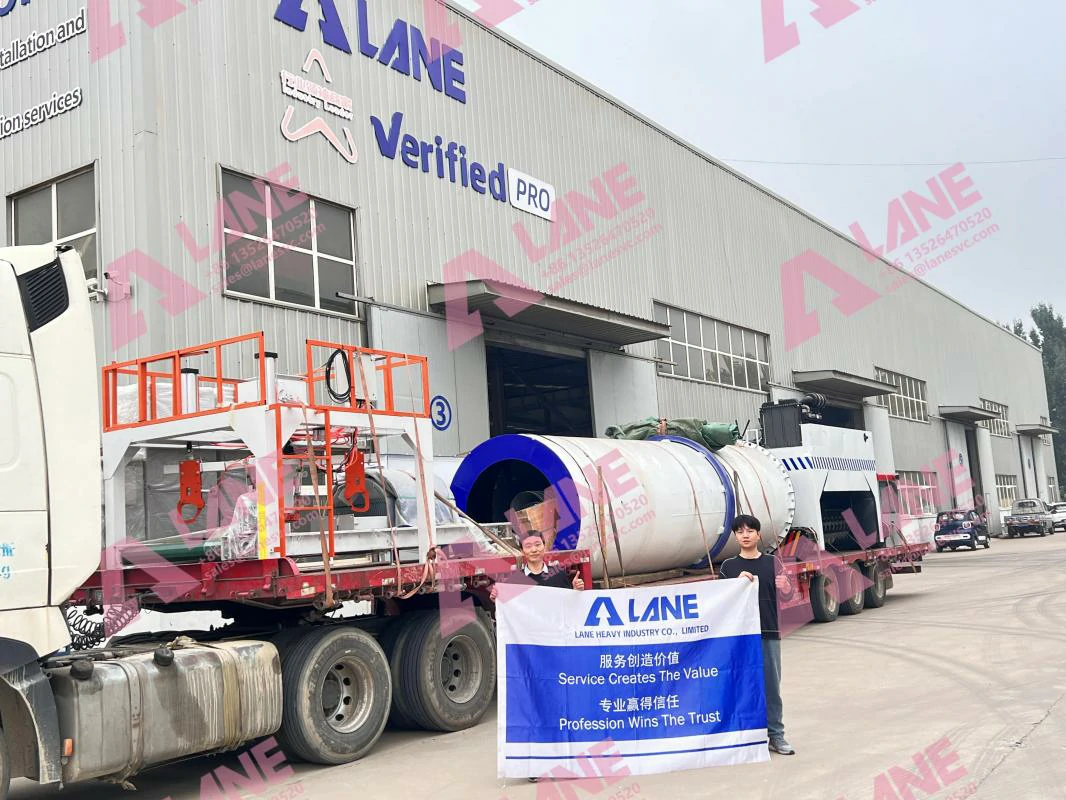
7. 📊 Smart Maintenance: The Future Trend
Modern production lines are moving toward intelligent maintenance systems:
✦ PLC-based monitoring
✦ real-time data tracking
✦ predictive maintenance alerts
These technologies help manufacturers:
♡ detect issues early
♡ optimize maintenance schedules
♡ reduce human error
Integrating smart systems enhances the effectiveness of Best Practices for Cat Litter Equipment Maintenance.
8. 💡 Practical Tips for Long-Term Stability
To maintain stable production, manufacturers should:
🐾 Key Recommendations
✦ establish standard operating procedures (SOP)
✦ record maintenance data
✦ monitor key parameters (temperature, vibration, pressure)
✦ schedule regular inspections
🐾 Simple but Effective Rule
Small daily actions can prevent major failures.
Consistent execution of Best Practices for Cat Litter Equipment Maintenance is the key to long-term operational success.
9. 🚀 Conclusion
Maintenance is not just a support function—it is a core part of production efficiency.
By applying Best Practices for Cat Litter Equipment Maintenance, manufacturers can achieve:
✔ reduced downtime
✔ extended equipment lifespan
✔ improved product consistency
✔ lower operational costs
A well-maintained production line is the foundation of stable, scalable, and profitable cat litter manufacturing.
For more details, please feel free to contact us.
Henan Lane Heavy Industry Machinery Technology Co., Ltd.
Email: sales@lanesvc.com
Contact number: +86 13526470520
Whatsapp: +86 13526470520