

Top Best Absorbent Materials for High Performance Cat Litter and What Makes Them Effective
Top Best Absorbent Materials for High Performance Cat Litter and What Makes Them Effective
Introduction
Choosing the best absorbent materials for high performance cat litter is a foundational step for manufacturers and product developers who aim to deliver superior products that meet consumer expectations. With a variety of raw materials available today — each exhibiting distinct physical and chemical properties — understanding how these materials perform and interact with production processes is essential. From traditional bentonite clay to modern plant‑based solutions like tofu and cassava, the choice of absorbent material directly affects moisture management, odor control, dust emission, and overall user experience.
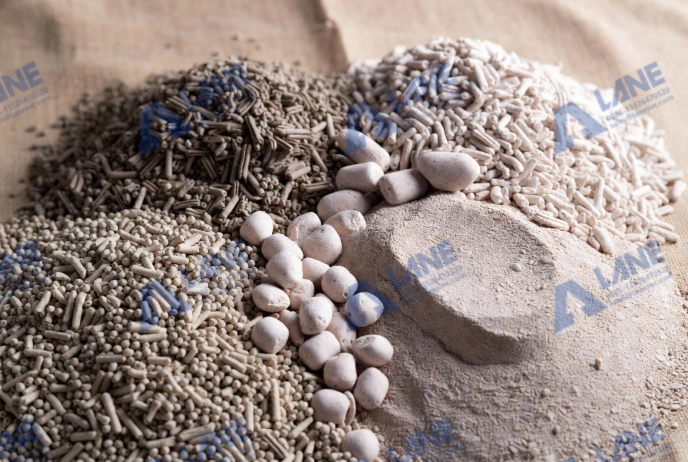
Research and market trends consistently show that bentonite clay, silica gel, and plant‑based fibers rank among the best absorbent materials for high performance cat litter due to their distinct absorption characteristics and overall user satisfaction.
In this article, we explore the top best absorbent materials for high performance cat litter, discuss their key attributes, and explain why they excel in modern cat litter formulations.
1. Bentonite Clay: The Traditional Powerhouse
One of the most common decorative and functional materials in the litter market is bentonite clay. Bentonite is particularly valued for its remarkable ability to absorb moisture and form firm, scoopable clumps. This makes it a staple choice for many industrial and household litters.
Why It’s Effective
-
High Clumping Ability: Bentonite clay expands when it meets moisture, binding particles tightly and creating solid clumps that are easy to remove.
-
Strong Odor Locking: The porous nature of bentonite allows it to trap ammonia and other odor‑causing compounds.
-
Widely Accessible: Bentonite remains cost‑effective and readily available in bulk, making it ideal for scalable production.
Clay‑based litters with bentonite often achieve absorption rates scalable enough for industrial production, which supports both volume output and quality consistency.
2. Silica Gel Crystals: Superior Moisture Absorption
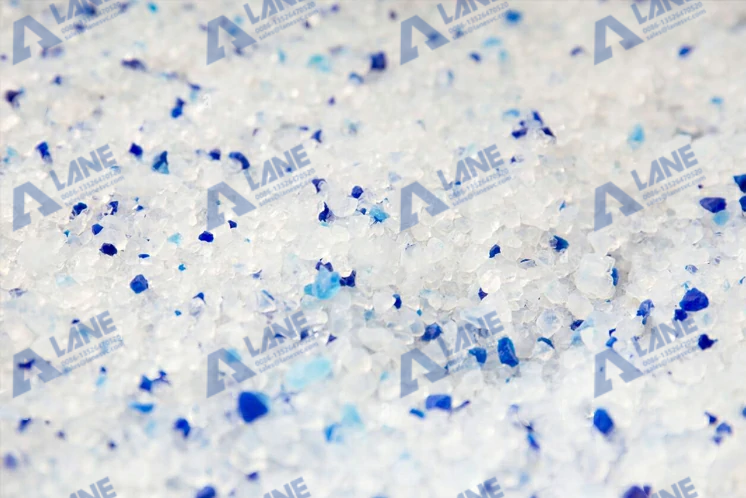
Silica gel, often seen as crystal cat litter, is another standout choice among the best absorbent materials for high performance cat litter. Composed of porous beads, silica absorbs liquid quickly into its internal structure while keeping surfaces relatively dry.
Key Benefits
-
Strong Absorbency: Silica gel beads can trap multiple times their weight in liquid, making them excellent at moisture control.
-
Odor Control: Their structure also helps capture unpleasant odors, improving freshness between litter changes.
-
Low Dust: Silica gel produces minimal dust during handling and use, a benefit for indoor environments and sensitive respiratory systems.
While silica gel doesn’t typically form clumps, its absorption performance means it can remain functional for longer periods before needing full replacement, making it appealing for certain user preferences.
3. Tofu and Plant‑Based Fibers: Eco‑Friendly Absorbency
In recent years, plant‑derived litters — especially tofu cat litter — have gained considerable traction as part of the best absorbent materials for high performance cat litter movement due to their eco attributes and balanced performance. These materials typically consist of soybean fibers, corn starch, cassava starch, or other biodegradable sources.
Why They Work Well
-
Natural Absorption: Plant fibers and starches absorb moisture effectively, often forming soft clumps that are easy to scoop.
-
Low Dust: Because the materials are less abrasive and more cohesive, they tend to generate significantly less dust than mineral counterparts.
-
Biodegradability: These materials can often be flushed or composted safely, reducing environmental impact.
Tofu cat litter, in particular, has been shown to offer absorption rates competitive with traditional materials while contributing to a lower carbon footprint, making it a compelling choice for premium or eco‑conscious brands.
4. Cassava and Other Natural Alternatives
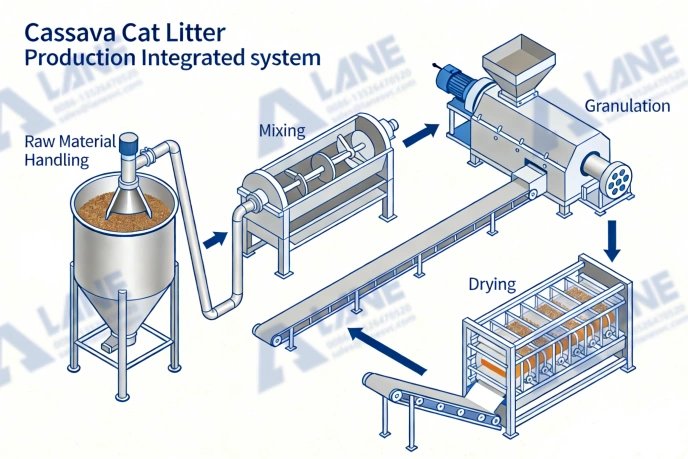
Beyond tofu, other plant materials like cassava starch are gaining attention as among the best absorbent materials for high performance cat litter, especially for producers experimenting with hybrid formulations. Cassava litter, for example, has demonstrated excellent clumping and moisture control, sometimes rivalling mineral options in real‑world use.
Notable Attributes
-
Strong Moisture Management: Cassava‑based litters absorb liquid efficiently while maintaining structural integrity.
-
Low Dust & Trackability: These materials often remain gentle underfoot and limit dust spread compared with traditional bentonite litter.
-
Biodegradable & Eco‑Safe: Similar to tofu, plant starches break down naturally without long‑term environmental burden.
Cassava and similar plant fibers underscore that the landscape of the best absorbent materials for high performance cat litter is broader than just clay and silica — blending performance with sustainability.
5. Material Characteristics Compared
Understanding what makes each of these materials effective helps manufacturers and product developers make informed decisions. A quick high‑level comparison illustrates core differences:
| Material | Clumping Power | Odor Control | Dust Level | Eco Profile |
|---|---|---|---|---|
| Bentonite Clay | Excellent | Good | Medium‑High | Low |
| Silica Gel | None | Excellent | Low | Low |
| Tofu/Plant Fibers | Good | Good‑Very Good | Very Low | High |
| Cassava | Very Good | Good | Low | High |
This comparison underscores that the best absorbent materials for high performance cat litter must balance multiple factors beyond raw absorption — including clumping reliability, handling characteristics, and environmental impact.
6. How Material Choice Affects Production & End Product
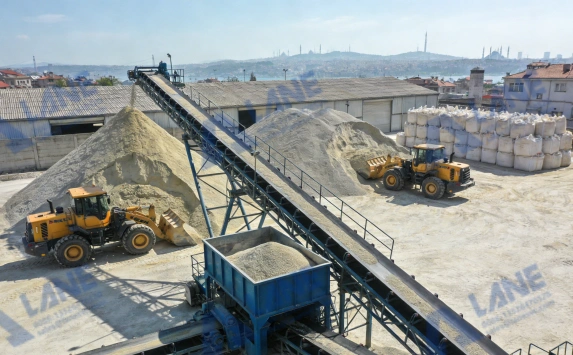
The selection of absorbent material also affects manufacturing workflows and machinery requirements. Materials like bentonite clay may necessitate robust crushing and grinding equipment to produce a consistent base, while plant‑based systems require specialized mixers and moisture control prior to pellet formation. Silica gel workflows focus less on clumping control and more on particle sizing and dust suppression systems.
Aligning the choice of best absorbent materials for high performance cat litter with the appropriate processing equipment directly influences production efficiency, quality consistency, and the performance profile of the end product. Many modern cat litter formulations now blend traditional minerals with innovative alternatives in pursuit of the best absorbent materials for high performance cat litter, optimizing both moisture management and odor control.
7. Equipment Selection for Different Absorbent Materials
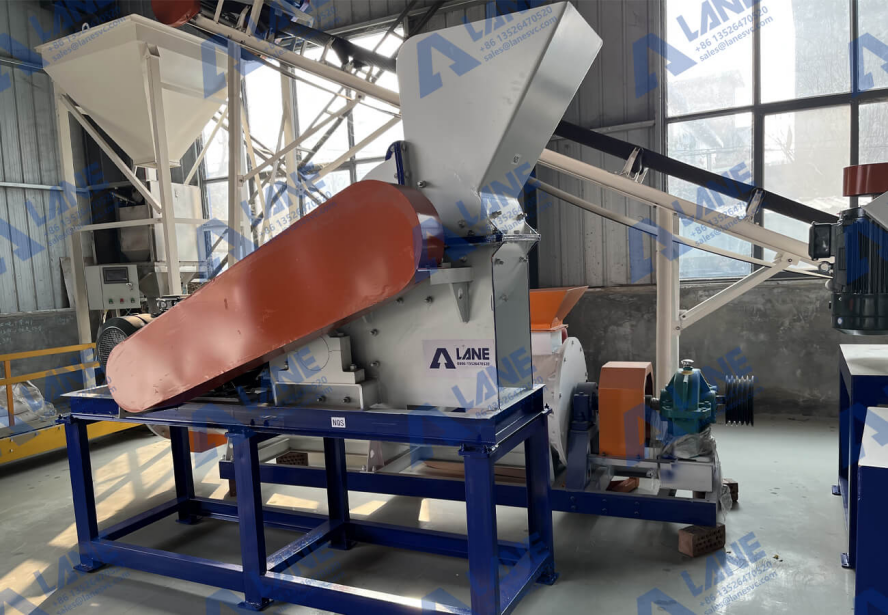
When choosing production equipment based on the best absorbent materials for high performance cat litter, understanding how each material behaves during processing is essential. For example, clay‑based cat litter, which relies on mineral raw materials like bentonite with high water absorption and strong agglomeration characteristics, is typically crushed, milled, and mixed before granulation to ensure consistent particle structure. In these workflows, robust crushing and blending units are critical to prepare the feedstock for high‑quality pellet formation. LANE’s heavy‑duty crushers and precision mixers are built to handle abrasive mineral materials and deliver uniform pre‑mix conditions, reducing process bottlenecks and ensuring steady throughput across the cat litter production line.
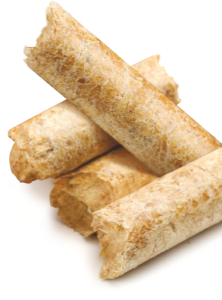
By contrast, plant‑based absorbent materials such as tofu residue, cassava or other starch‑rich feedstocks require a different approach. These materials must be dehydrated, finely ground and blended with binders before entering pelletizing stages, as their moisture content and fibrous nature affect how they bind and absorb liquid. A ring‑die pelletizer or double roller granulator with an integrated conditioner is typically recommended for plant feeds, as it can gently form granules while preserving binder activity. Research into tofu cat litter manufacturing workflow shows that dedicated pellet machines with conditioning sections yield uniform size and consistent mechanical strength for plant‑based litter pellets.
Similarly, screening and dust control systems must adapt to the dust profile and particle size distribution of the chosen absorbent material. Harder mineral particles often generate finer dust that requires high‑efficiency vacuum and filter systems, while softer plant‑based particles benefit from gentle handling to maintain surface integrity. LANE’s modular screening and dust extraction solutions support variable mesh sizes and negative‑pressure systems, improving finished product quality and maintaining a clean production environment.
By matching production equipment to the specific properties of the best absorbent materials for high performance cat litter, manufacturers can not only improve output efficiency and product consistency but also unlock more reliable performance across different market segments. Integrated solutions paired with dedicated after‑sales support further ensure that production lines remain stable, scalable, and responsive to evolving product specifications.
Conclusion
Selecting the best absorbent materials for high performance cat litter is not a one‑size‑fits‑all decision. Bentonite clay, silica gel crystals, tofu and other plant‑based fibres each bring unique advantages to absorption, odor control, dust management, and sustainability. Manufacturers that deeply understand these material properties — and how they interact with production lines and consumer expectations — are best equipped to deliver high‑quality cat litter products that meet specific market needs and performance benchmarks.
By aligning material selection with modern automated production systems and targeted market positioning, you can elevate product quality and build a competitive edge in the dynamic cat litter industry.
For more details, please feel free to contact us.
Henan Lane Heavy Industry Machinery Technology Co., Ltd.
Email: sales@lanesvc.com
Contact number: +86 13526470520
Whatsapp: +86 13526470520