

Bentonite Granulator: Practical Guide for Bentonite Cat Litter and Granule Production
Bentonite Granulator: Practical Guide for Bentonite Cat Litter and Granule Production
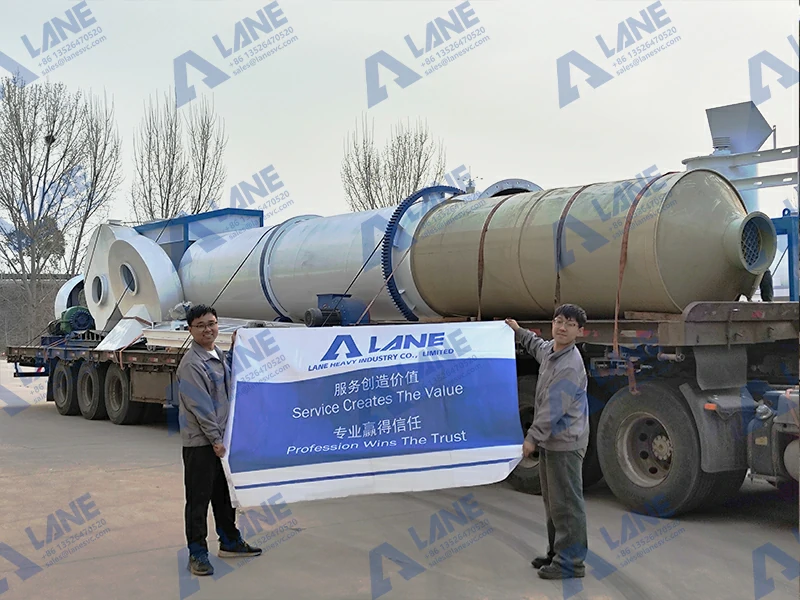
A bentonite granulator is a key machine used to turn powdered bentonite and related materials into uniform granules. This type of granulator is widely applied in bentonite cat litter production lines and other granulation systems because it helps shape material into pellets that are easier to dry, screen, and pack.
In real production settings, the granulator plays a crucial role in determining product performance. For bentonite cat litter, the size and shape of the granules influence clumping ability, dust levels, and absorbency, all of which matter to end users.
What a Bentonite Granulator Does
The main job of a bentonite granulator is to agglomerate small particles into stable, round or near-round granules. These granules are easier to dry and carry less dust than raw powder. In many systems, the granulation step comes after raw material preparation and before drying and screening.
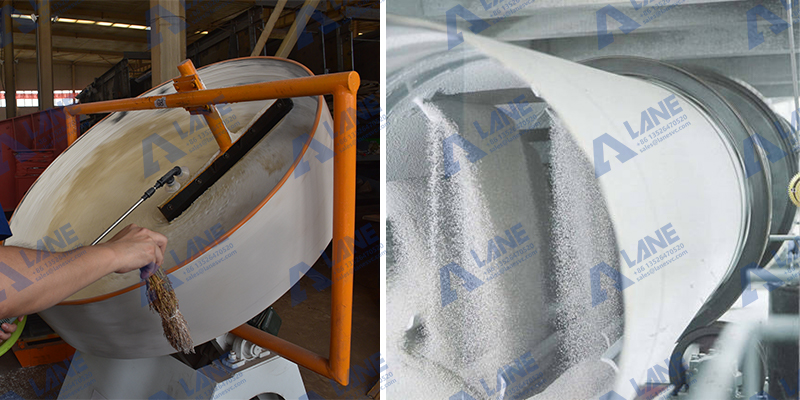
Most bentonite granulators work on a wet granulation principle: a rotating disc or pan helps material roll and bond under controlled moisture and turning speed. The machine’s design and operational settings influence the final pellet size and shape.
In production lines, the bentonite granulator is often called a disc granulator or pan granulator. This type of machine has a large rotating plate that encourages powder to stick together and grow into granules as it moves upward and outward. Operators can adjust parameters like tilt angle and rotation speed to fine-tune granule characteristics.
Where the Granulator Fits in the Production Line
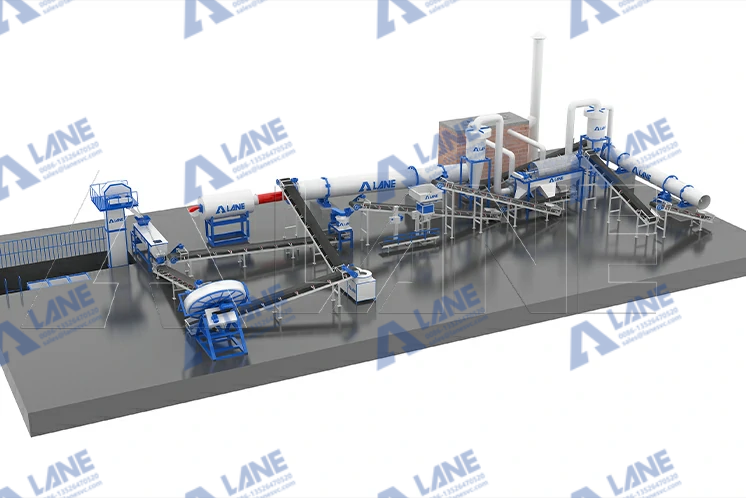
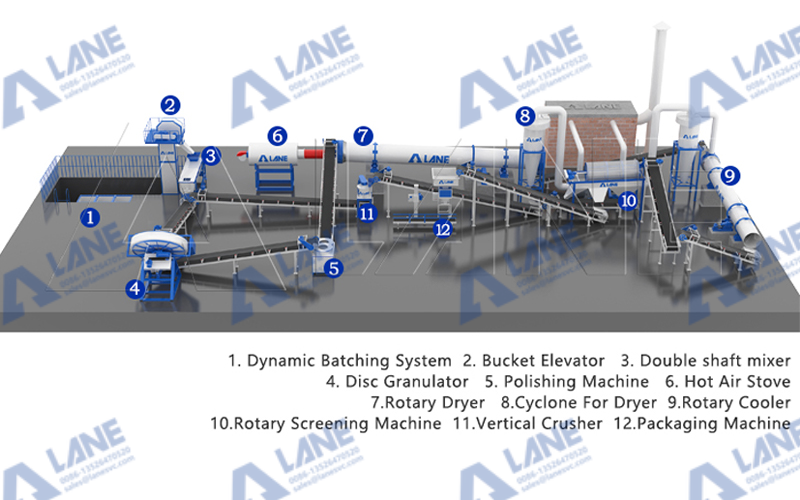
In a complete bentonite cat litter production line, the granulator is typically positioned after crushing and premixing equipment.
- Raw Material Crushing – Bentonite rock and other hard materials are crushed into fine powder.
- Mixing – Moisture and any binders are mixed evenly into the powder.
- Granulation – The bentonite granulator turns the mixed powder into pellets.
- Drying & Cooling – Moisture in pellets is reduced and temperature stabilized.
- Screening – Oversized or undersized particles are separated out.
- Packaging – Final granules are weighed and packed for sale or storage.
Without the granulation step, bentonite powder would be difficult to dry consistently and screen effectively, and the finished product would likely generate more dust during use and packaging.
Types of Granulation Machines Used with Bentonite
Although disc granulators are the most common, different systems can be chosen depending on production goals:
This is the most widely used type for bentonite. A disc granulator gently rolls the powder into balls under moderate moisture conditions. Its advantages include:
1.Adjustable pellet size based on tilt angle and speed
2.Mild granulation method that preserves bentonite structure
3.Stable production for medium to large throughput
4.Many industrial disc granulators achieve high forming rates and produce similar granules every run.
Alternative Granulators
In some systems, other granulation methods might be used, such as double-roller press granulators for specific applications (e.g., fertilizer). However, for bentonite cat litter production, disc granulation remains the go-to choice because it produces round, absorbent particles with consistent quality.
How the Bentonite Granulation Process Works in Practice
Practical granulation involves controlling several variables:
Moisture level – Too much water creates sticky clumps; too little prevents pellet formation.
Rotation speed – Affects how quickly material rolls and bonds.
Tilt angle – Steeper angles increase rolling force and can shorten production time.
Binder application – Sometimes water is sprayed directly in the granulator to fine-tune wetness.
In real production, operators often start with laboratory tests of raw material moisture and adjust granulation conditions based on those results. This helps reduce trial-and-error waste and improves early output quality.
Benefits of Using a Quality Bentonite Granulator
1. Improved Pellet Quality
Uniform pellets are easier to dry evenly and produce lower dust at later stages.
2. Higher Production Stability
A reliable bentonite granulator reduces production fluctuations. Consistent granules help downstream equipment run more smoothly.
3. Reduced Waste
Good granulation reduces the proportion of fines that must be returned to re-process, saving time and energy.
4. Increased Production Efficiency
Controlled granulation speeds up the overall production flow and minimizes blockages in dryers and screens.
These factors make granulators a worthwhile investment for factories manufacturing bentonite cat litter and other granule products.
Key Considerations for Choosing a Granulator
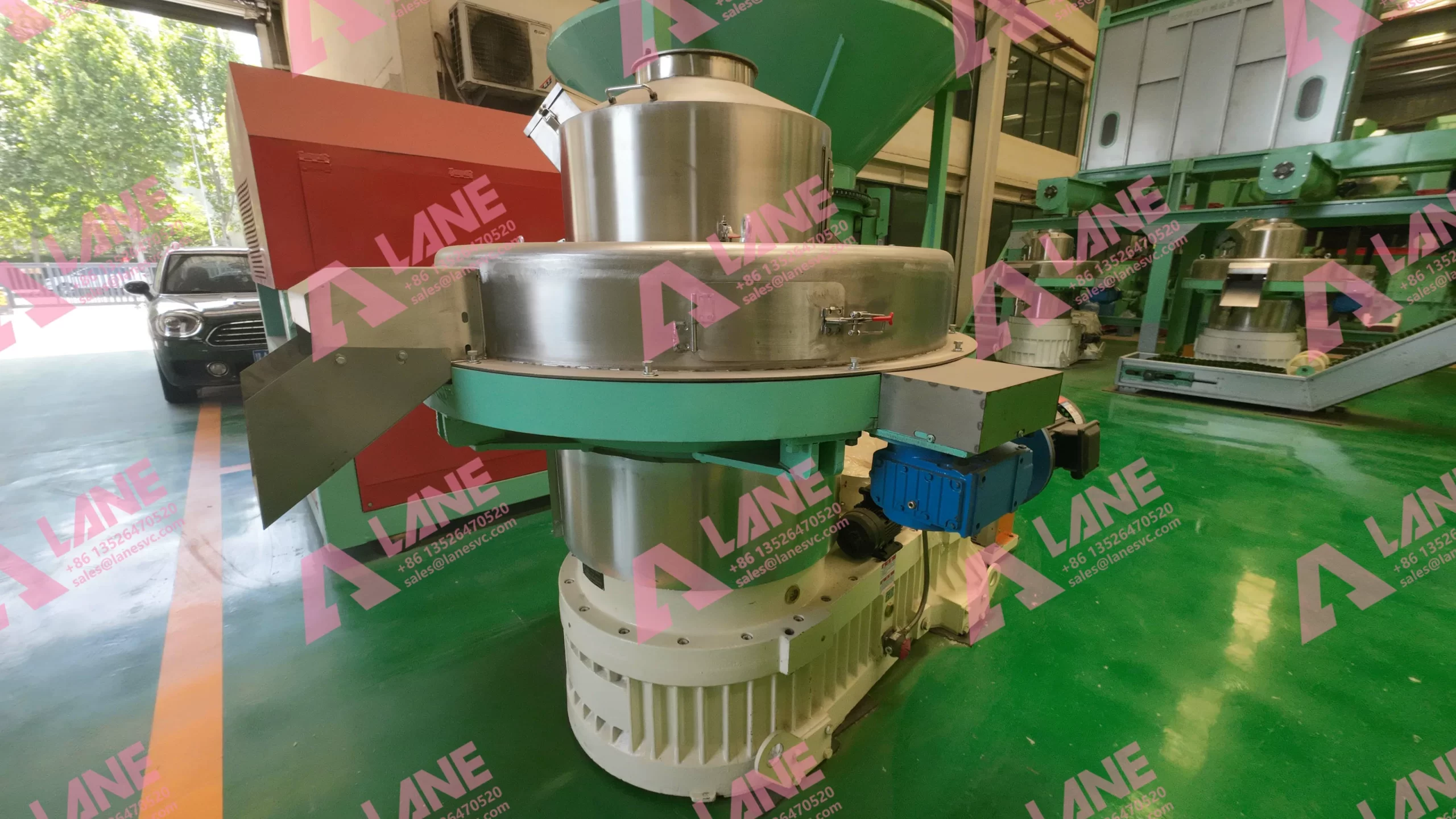
When selecting a bentonite granulator, consider the following points:
- Product Size Range – Ensure the machine can produce the desired pellet diameter (usually around 2–8 mm for cat litter).
- Capacity Needs – Choose a granulator that matches your planned output rate.
- Moisture Range – The machine should handle your raw material’s typical moisture content.
- Ease of Operation – Simple adjustment mechanisms help operators fine-tune settings quickly.
- Maintenance Requirements – A machine designed for easy cleaning and part replacement reduces downtime.
In practice, many manufacturers also look at how well the granulator integrates with feeding conveyors, drying systems, and screening machines, because smooth integration leads to better system efficiency and lower long-term maintenance costs.
Common Operational Tips
Experienced operators often keep the following tips in mind:
Avoid starting the granulator empty, as this can cause bonding on the disc surface.
Monitor bearing temperature and vibration, which can indicate wear or imbalance.
Keep granulation feed consistent, so pellets form uniformly.
Small adjustments in moisture and speed often improve pellet quality more than large increases in equipment size.
Conclusion
A bentonite granulator is a central piece of equipment in bentonite granule production and cat litter manufacturing lines. It helps transform raw powder into uniform pellets that dry and screen effectively, supporting efficient operations and high product quality.
When planning or upgrading a production line, understanding how the granulator operates and how it integrates with other machines ensures better performance and smoother production overall. With careful selection and setup, a granulator can help deliver consistent, high-performance bentonite granules suitable for clumping cat litter and other industrial uses.
At LANE, we offer professional customized solutions, 24-hour emergency response measures for problems, all-round protection and efficient communication to safeguard your development. We look forward to cooperating with you to achieve a win-win situation.
For more details, please feel free to contact us.
Henan Lane Heavy Industry Machinery Technology Co., Ltd.
Email: sales@lanesvc.com
Contact number: +86 13526470520
Whatsapp: +86 13526470520