

Bentonite Cat Litter Pellet Machine Selection: How to Choose the Right Granulator for Quality and Efficiency
Bentonite Cat Litter Pellet Machine Selection: How to Choose the Right Granulator for Quality and Efficiency
Choosing the right equipment is key to success in bentonite cat litter production. Bentonite cat litter pellet machine selection isn’t just about picking a machine — it’s about matching raw material behavior, output goals, and long-term stability to an efficient production solution that delivers consistent clumping performance and low dust levels for the finished product.
1. How Equipment Choice Shapes Your Bentonite Cat Litter Output
In bentonite cat litter production, the pelletizer (or granulator) plays a pivotal role in transforming processed bentonite clay into stable, clumping pellets. A poor granulator choice can lead to inconsistent pellet size, weak clumping performance, and higher dust content — all of which hurt customer satisfaction and sales. Focusing on bentonite cat litter pellet machine selection early ensures the rest of your production line isn’t built on guesswork.
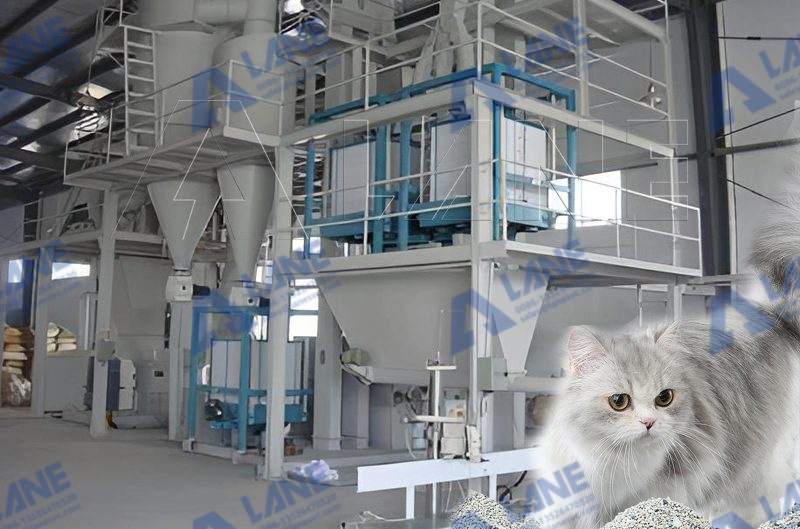
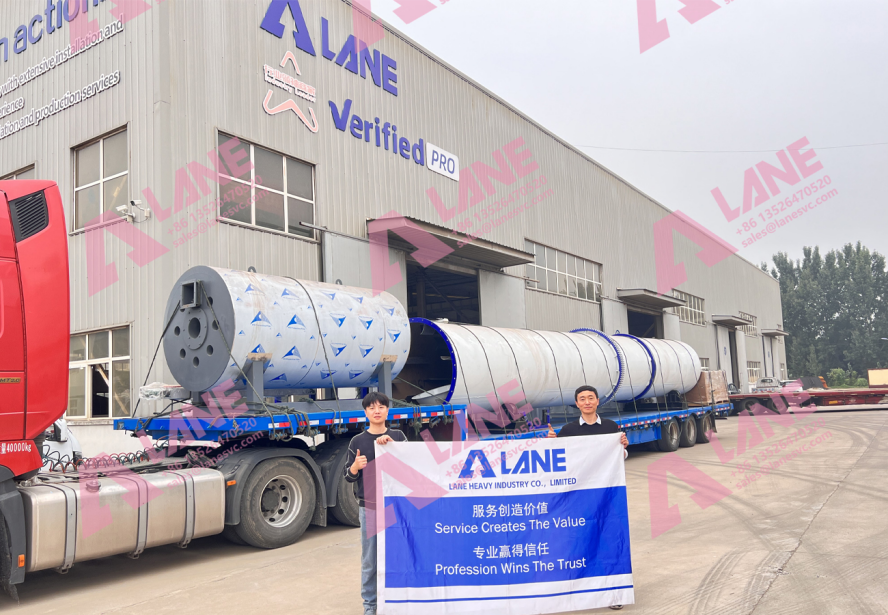
For example, in a recent case where a regional manufacturer built a 4 t/h bentonite cat litter manufacturing line in the USA, choosing the right granulation equipment — combined with proper material preparation and process design — helped deliver pellets within target sizes and strong clumping performance that met market expectations.
2. Why Bentonite Material Characteristics Impact Pelletizer Choice
Bentonite clay — especially sodium bentonite — is prized in the pet care market for its superior absorption and clumping ability, making it a dominant choice for clumping cat litter in regions like North America. Proper bentonite cat litter pellet machine selection ensures consistent 2–4 mm pellet size and uniform clumping, reducing waste and re-processing in downstream drying and screening.
However, this material also demands specific handling:
-
Particle size uniformity: Improperly crushed bentonite will not form consistent pellets.
-
Moisture content: Too wet and the material binds poorly; too dry and it doesn’t consolidate properly.
-
Clumping requirements: To achieve the optimal 3–5 mm clumping medium popular in retail markets, a granulator must be tuned to the material’s properties.
Choosing a machine that accommodates bentonite’s natural characteristics — like a disc or ring-die pelletizer with adjustable pressure and moisture tolerance — is essential for reliable pellet formation.
3. Core Criteria for Bentonite Cat Litter Pellet Machine Selection
When evaluating granulators, consider these key criteria:
Production Capacity
Define your target throughput first. Small startup lines might aim for 1–3 t/h, while established processors benefit from 4–10 t/h or higher configurations. In the 4 t/h USA project, this middle ground struck the right balance of efficiency and flexibility.
Pelletizer Type
Different machine types serve different needs:
-
Disc Granulators — Simple, cost-effective choice for controlled pellet size.
-
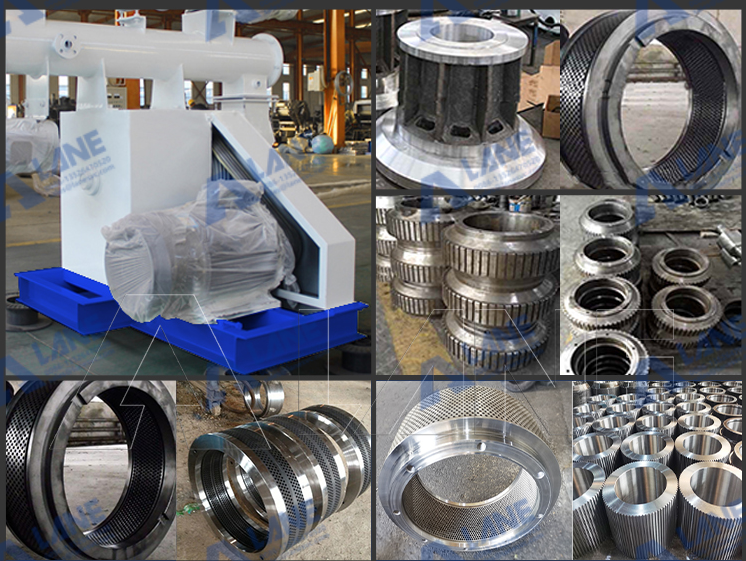
Ring Die Pellet Mills — Provide continuous production and high throughput.
-
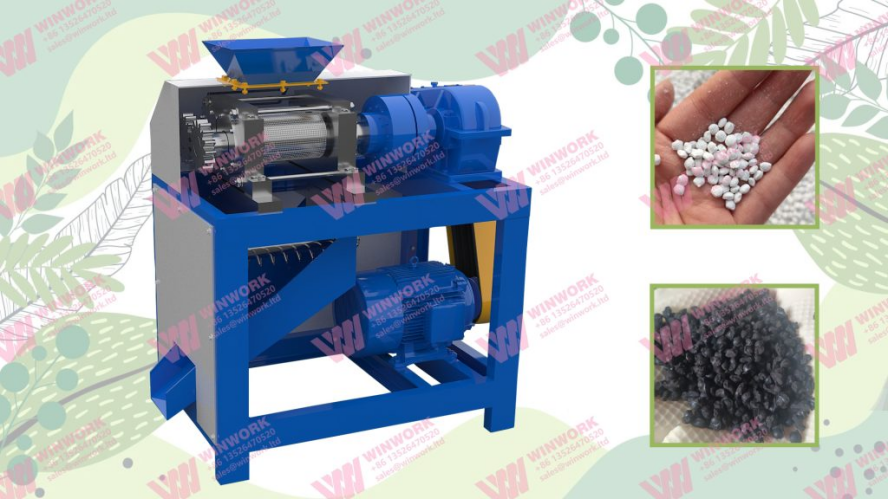
Twin Roller / Extrusion Presses — Handle higher moisture and varied materials.
Pellet Quality Targets
Clumping litter benefits from pellets around 3–5 mm with smooth surfaces for consistent performance. A good granulator offers adjustable settings to fine-tune particle diameter and density for maximum clumping and minimal dust.
Energy Efficiency and Dust Control
Modern pelletizers should feature energy-saving drives and dust suppression features, especially where environmental regulations or dust-free standards are required. Smart bentonite cat litter pellet machine selection also helps minimize dust generation and improve environmental performance on modern automated cat litter lines.
4. Comparing Major Pellet Machines for Bentonite Cat Litter
Disc Granulators
These are often the go-to for bentonite lines because they allow easy adjustment of tilt and rotation speed to achieve target pellet shapes. They are simple to operate and maintain, making them ideal for lines sized 2–8 t/h.
Ring Die Pellet Mills
When your output target grows and steadier, large-scale production is needed, ring die units offer robust continuous operation with consistent quality. Multiple configurations can support particles from 2 mm up to 8 mm or more.
Extrusion or Twin Roller Equipment
For highly cohesive feed mixes or special requirements (e.g., unique shapes or densities), twin roller presses are effective at controlling compaction and pellet integrity.
Each option has pros and cons, but the right choice always links back to your material behavior and annual production goals. Effective bentonite cat litter pellet machine selection also means matching granulator capacity to your bentonite supply and market demand, ensuring the right balance between equipment performance and production cost.
5. Practical Steps to Complete Bentonite Cat Litter Pellet Machine Selection
Here’s a simple roadmap to make bentonite cat litter pellet machine selection more effective:
1) Define Target Output & Market Needs
Consider whether you need small batch flexibility or steady high throughput for large retail and export orders.
2) Conduct Raw Material Trials
Small-scale testing with bentonite samples helps clarify ideal moisture range and pressure settings before committing to equipment.
3) Match Machine to Pellet Quality Goals
Align granulator features with desired pellet size, dust level, and clumping performance. For high-clumping litter, focus on machines with precise pressure and moisture control.
4) Integrate with Full Production Flow
Ensure your pelletizer integrates seamlessly with crushing, mixing, drying, cooling, screening, and packaging components — especially if you plan a turnkey layout like the 4 t/h system in the USA. For many producers, bentonite cat litter pellet machine selection is not just about capacity but about how well the equipment integrates with mixers, dryers, and screening systems to achieve stable production.
This process highlights your company’s approach: not just selling machinery, but delivering optimized, data-driven production solutions. When planning full production flow and capacity requirements, thoughtful bentonite cat litter pellet machine selection ensures that both equipment sizing and downstream drying and screening performance align with product quality goals.
6. Case Insight — 4 t/h Bentonite Cat Litter Production Line in the USA
A strong real-world example of successful bentonite cat litter pellet machine selection is the 4 t/h bentonite line installed in the United States for a regional manufacturer.
In this project:
-
Bentonite clay was conditioned and crushed to uniform particle size.
-
A precision mixer controlled moisture and additives for optimal pellet formation.
-
A tailored granulation setup produced consistently sized pellets (3–5 mm) with low dust.
-
Dryers, coolers, and dust suppression systems ensured stable quality and compliance with environmental standards.
The result was a reliable production flow that helped the client meet both domestic and export market demands while enhancing product performance and brand competitiveness — a testament to informed bentonite cat litter pellet machine selection backed by professional engineering.
7. Why Professional Service Matters in Equipment Selection
Selecting granulation equipment isn’t just hardware — it’s service and engineering support:
-
Raw Material Testing & Feasibility before purchase.
-
Customized Equipment Configuration matched to your site and goals.
-
On-site Installation & Commissioning to ensure parameters are correct from day one.
-
Operator Training & SOP Documentation for consistent long-term performance.
LANE’s philosophy emphasizes holistic support — from pre-sale consulting to after-sales service — helping clients avoid common pitfalls and achieve smoother production.
8. Common Mistakes to Avoid in Pellet Machine Selection
Here are some pitfalls to steer clear of:
✔ Choosing based on price alone, ignoring material and capacity match.
✔ Underestimating raw material variability — bentonite from one region can behave differently than from another.
✔ Ignoring downstream equipment like dryers and screens that also impact pellet quality.
✔ Not planning for growth — avoid selecting machines with no expansion path.
Addressing these issues early reduces operational risk and ensures a more resilient production line.
9. Conclusion — Select Smart, Produce Better Bentonite Cat Litter
Effective bentonite cat litter pellet machine selection forms the backbone of a successful production line. By understanding raw material properties, aligning equipment with production goals, and integrating engineering support, manufacturers can significantly enhance product quality, reduce downtime, and build competitive advantage.
Smart selection today leads to smoother production tomorrow — and that’s the essence of a sustainable bentonite cat litter business.
For more details, please feel free to contact us.
Henan Lane Heavy Industry Machinery Technology Co., Ltd.
Email: sales@lanesvc.com
Contact number: +86 13526470520
Whatsapp: +86 13526470520