

Automated Cat Litter Production Equipment vs Manual Cat Litter Machines: Selecting the Ideal Solution for Your Manufacturing Line
Automated Cat Litter Production Equipment vs Manual Cat Litter Machines: Selecting the Ideal Solution for Your Manufacturing Line
Introduction
In the modern pet supply industry, one of the most frequent decisions manufacturers must make is choosing between automated cat litter production equipment vs manual cat litter machines. As cat litter demand grows and product complexity increases — from low-dust clay formulas to premium crystal and mixed litters — production strategy becomes a decisive factor in long-term success. Automated systems can deliver higher efficiency and consistent quality, while manual machines might suit smaller scales or budget-limited startups. Understanding the strengths and limitations of each approach is essential for planning a production line that meets quality, capacity, and cost expectations.
1. What Are Manual Cat Litter Machines?
Manual cat litter machines are traditional mechanical units that require significant human involvement at key stages of production. In a scenario dominated by automated cat litter production equipment vs manual cat litter machines, manual systems typically involve:
-
Hand-fed raw materials into crushers, mixers, or grinders.
-
Manual monitoring and adjustment during granulation or pellet formation.
-
Physically assisted packaging, where operators weigh and seal bags by hand.
Manual machines can be cost-effective for startup projects or small batch runs, especially when production runs are limited in scale and consistency is less critical. However, these systems often require more labor, lead to slower throughput, and are more susceptible to human error.
2. What Is Automated Cat Litter Production Equipment?
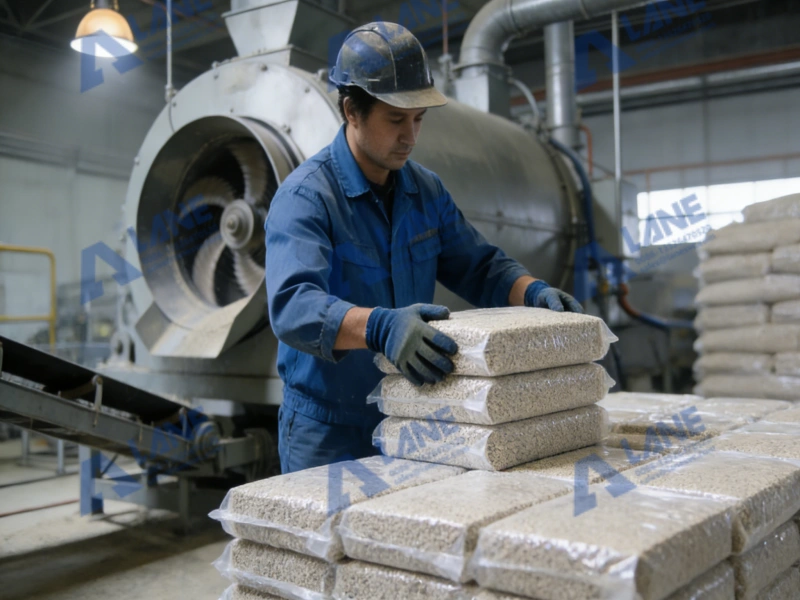
Automated cat litter production equipment refers to fully integrated systems that streamline the entire manufacturing process with minimal human intervention. These systems typically include:
-
PLC-controlled mixers and granulators
-
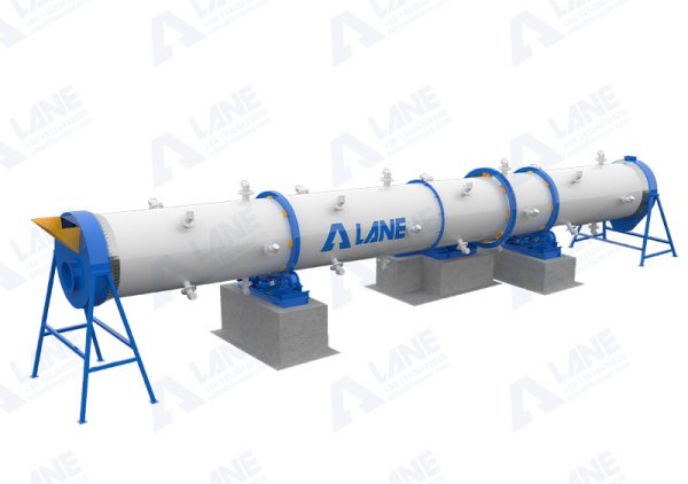
Automatic drying, cooling, screening and packaging
In the comparison automated cat litter production equipment vs manual cat litter machines, automated systems stand out by enabling continuous, stable, and scalable production with fewer operators. For example, a fully configured automated line might require only 2–3 technicians for supervision and monitoring, while manual methods may need significantly more workforce to handle feeding, processing, and packaging tasks.
3. Automated Cat Litter Production Equipment vs Manual Cat Litter Machines — Direct Comparison
Here’s a focused comparison of how these two approaches stack up across several key manufacturing dimensions:
1) Operational Efficiency and Labor
Automated systems dramatically reduce manual labor requirements by synchronizing material flow and machine operation. In the context of automated cat litter production equipment vs manual cat litter machines, automated lines consistently outperform manual assemblies in:
-
Operational speed — continuous feeding and processing without manual pauses.
-
Reduced labor costs — fewer operators needed.
-
Simplified supervision — real-time parameter adjustments via control panels.
Manual machines, by contrast, demand operators to manage each stage, from feeding raw bentonite or other materials to handling package sealing, which increases labor costs and variability.
2) Production Capacity and Consistency
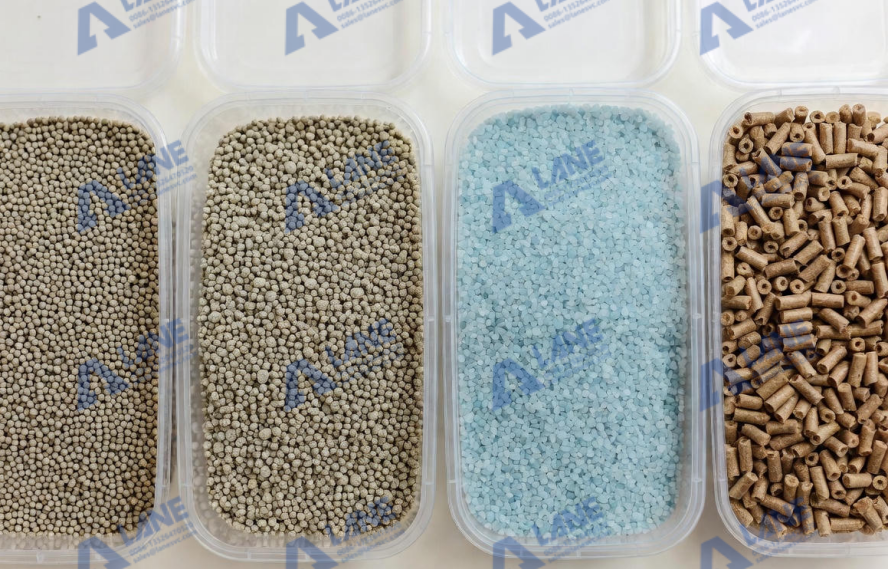
One of the biggest differentiators in the automated cat litter production equipment vs manual cat litter machines debate is production scale and product uniformity. Automated lines can support high-volume output with stable settings — especially for clay, crystal, or mixed cat litter formats — delivering consistent granule size, moisture content, and packaging quality.
Manual systems, due to operator pacing and intermittent workflows, may result in inconsistencies between batches and are generally limited in daily throughput.
3) Cost and Return on Investment (ROI)
While automated equipment typically demands higher upfront capital investment, the long-term operational benefits often outweigh initial costs when compared to manual cat litter machines. Key ROI factors include:
-
Lower labor expenses due to fewer human requirements
-
Optimized material usage through precise batching
-
Reduced waste through controlled process parameters
-
Fewer defects and recalls due to consistent output
Manual systems may seem more budget-friendly initially, but ongoing labor costs, quality variability, and slower throughput can erode long-term profitability — an important consideration in the automated vs manual evaluation.
Automated systems typically demand a higher initial investment but deliver long-term operational efficiency, consistency, and lower labor costs. When evaluating automated cat litter production equipment vs manual cat litter machines, most manufacturers find that automated lines consistently deliver higher throughput with fewer operators, making them more suitable for large-scale production plans.
In real production scenarios, decisions regarding automated cat litter production equipment vs manual cat litter machines should consider both long-term ROI and the consistency of output quality — with automation typically yielding greater stability and scalability.
Many industry reports note that automated cat litter production equipment vs manual cat litter machines becomes a decisive factor in determining whether a cat litter line remains competitive as market demand and product complexity increase. Practical discussions around automated cat litter production equipment vs manual cat litter machines often highlight how automation can reduce labor costs and human error while improving the uniformity and dust control of final cat litter products.
4. Quality and Product Performance Considerations
Automated cat litter production equipment provides advanced control over critical quality attributes such as:
-
Particle size distribution
-
Moisture control and drying profiles
-
Dust levels and bulk density
-
Aggregate strength and clump formation
This refined control emerges from integrated modules (e.g., automated mixers and dryers) that are tuned to specific material properties, such as bentonite clay’s absorption characteristics.
On the other hand, manual systems can be prone to variation due to operator technique, timing differences, and inconsistent feed rates, leading to greater variation in product performance.
5. Scalability & Adaptability
When comparing automated cat litter production equipment vs manual cat litter machines, scalability is a core advantage of automation. Automated systems are built to adapt to growing production demands, allowing expansion from pilot scale to full commercial production without fundamental workflow redesign. Modular architecture also enables different product formats — clay, crystal, tofu, or mixed litters — to be manufactured on the same line with configuration changes.
Manual methods are more rigid and less adaptable to changes in throughput or product diversification because each variation frequently requires manual reconfiguration or process experimentation.
6. LANE Advantage: Integrated Automation, Quality & Support
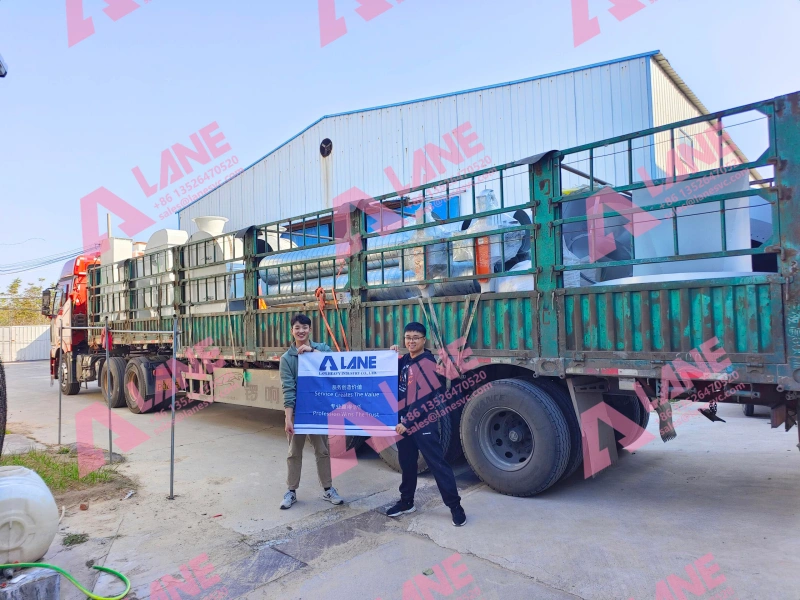
Choosing between automated cat litter production equipment vs manual cat litter machines also involves considering supplier capabilities. LANE offers fully integrated, turnkey cat litter production solutions that deliver both robust automation and flexible adaptability for diverse product needs.
Key strengths of LANE solutions include:
✔ End-to-end turnkey lines tailored to your production goals — from raw material handling to final packaging.
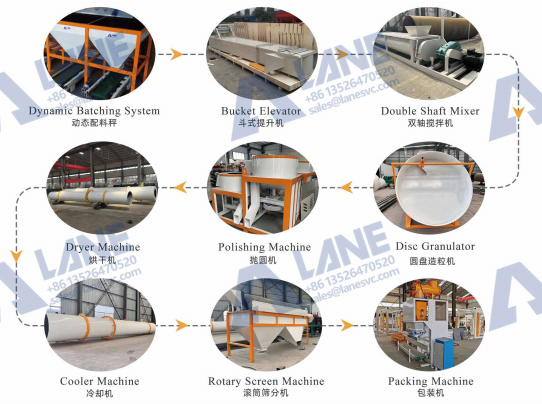
✔ Smart automation platforms that integrate batching, mixing, granulation, drying, screening, and packaging for continuous production.
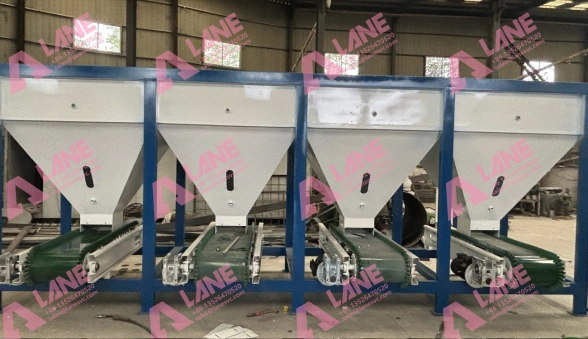
✔ High-precision batching and PLC control systems that improve consistency and reduce human error.
✔ Global after-sales support and customizable service plans that ensure minimal downtime and stable operation.
Combining engineering foresight with scalable automation allows manufacturers to transform their material choices and design requirements into stable, high-yield cat litter production lines.
Conclusion
In the debate of automated cat litter production equipment vs manual cat litter machines, automated systems offer decisive advantages in efficiency, consistency, scalability, and long-term cost savings. Manual machines remain relevant for small or pilot projects, but they are limited by labor intensity and variable quality. For brands looking to scale, optimize operational costs, and produce stable, high-quality cat litter products, automated production lines backed by expert design and support — such as those from LANE — provide a reliable pathway to success.
Ultimately, understanding the differences between these approaches enables manufacturers to choose the right production strategy that aligns with their growth trajectory, quality expectations, and market demand.
For more details, please feel free to contact us.
Henan Lane Heavy Industry Machinery Technology Co., Ltd.
Email: sales@lanesvc.com
Contact number: +86 13526470520
Whatsapp: +86 13526470520