

Custom 2 T/H Wood and Rice Husk Cat Litter Line in Turkey for Sustainable Litter Production
Custom 2 T/H Wood and Rice Husk Cat Litter Line in Turkey for Sustainable Litter Production
Introduction: Turkey’s Growing Eco-Litter Demand
The Turkey pet supplies market has been expanding rapidly, driven by rising urban pet ownership and a growing middle class that prioritizes sustainable and high-performance products. The domestic pet products market — valued at approximately USD 235 million in 2025 — is expected to grow to about USD 460 million by 2032 at a CAGR of roughly 10%, with cat litter capturing around 55% of the segment.
Within this context, demand for eco-friendly cat litter products — including wood pellet, recycled paper, and other biodegradable options — is steadily increasing among Turkish consumers, particularly in major urban centers like Istanbul, Ankara, and Izmir where compact housing and hygiene concerns drive adoption of efficient, modern litter solutions. The 2 T/H wood and rice husk cat litter line in Turkey aligns with global growth in biodegradable cat litter demand, where wood-based alternatives now account for a significant share of sustainable pet litter sales.
A key part of meeting this demand is the development of customized production systems that can process renewable raw materials such as wood and rice husk into high-quality cat litter pellets. The 2 T/H wood and rice husk cat litter line in Turkey is one such project delivered by LANE Machinery, demonstrating how tailored solutions can position manufacturers for competitive advantage in this dynamic market. Recent industry reports show that biodegradable wood‑based litter products — the same type produced by the 2 T/H wood and rice husk cat litter line in Turkey — are rapidly gaining traction, with global wood cat litter demand projected to grow strongly as eco‑conscious pet owners choose sustainable alternatives over traditional clay options.
1. Understanding Wood and Rice Husk as Cat Litter Raw Materials
In sustainable cat litter manufacturing, raw material selection is crucial. Traditional mineral-based litters (like bentonite) remain popular in Turkey but face increasing competition from biodegradable alternatives due to environmental concerns and consumer preference for natural products. Industry research suggests that wood-based cat litter products, including those combining rice husk and wood fibers, are gaining market share as more than 72 percent of cat owners now prefer eco-friendly litter options that offer superior odor control and low dust levels.
Wood and rice husk, as biomass feedstocks, offer several inherent advantages:
-
Renewable and biodegradable: Sourced from wood processing and agriculture byproducts, these materials break down naturally and reduce landfill burden.
-
Effective moisture absorption: The fibrous structure of wood and rice husk allows strong liquid uptake when processed into pellets.
-
Low dust and improved hygiene: Properly pelletized biomass litter often produces less dust than traditional clay products, resulting in cleaner use environments for urban pet owners.
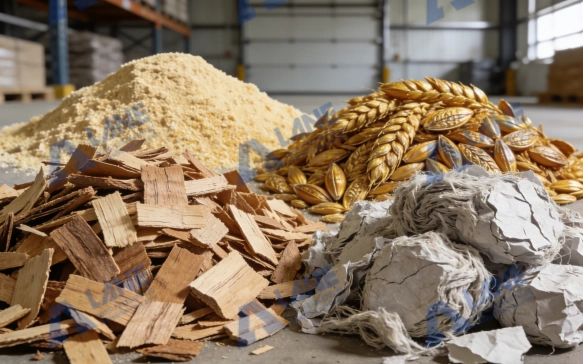
Many pet owners prefer wood-pellet solutions due to strong odor control and low dust, driving interest in the 2 T/H wood and rice husk cat litter line in Turkey. LANE’s cat litter production systems are designed to accommodate diverse raw materials — including wood chips, sawdust, rice husk, paper pulp and other biodegradable inputs — enabling manufacturers to innovate their product offerings.
2. Project Overview: 2 T/H Wood and Rice Husk Cat Litter Line in Turkey
The 2 T/H wood and rice husk cat litter line in Turkey was commissioned by a local pet product manufacturer seeking to enter the eco-friendly litter segment. Although clay-based cat litter dominates the mainstream market, the client recognized a growing opportunity among environmentally conscious consumers who desire biodegradable products but also expect high performance in odor control and moisture absorption.
After detailed consultation and market feedback analysis, LANE proposed a customized production line capable of processing mixed biomass raw materials with consistent throughput of 2 tons per hour, balanced for small to medium-scale commercial production. The line was designed to meet requirements for:
-
Stable pellet quality suitable for retail packaging;
-
Low dust and high absorbency performance for urban households;
-
Adaptability to process wood and rice husk input streams with minimal manual intervention.
This project aligns with the accelerated growth of Turkey’s cat litter market, where eco-awareness is gradually intensifying and biodegradable options are gaining niche interest among pet owners and retailers alike. The 2 T/H wood and rice husk cat litter line in Turkey was developed in response to industry data showing that biodegradable wood-based cat litter is increasingly preferred by eco-conscious consumers, with surveys indicating that over 70 percent of pet owners globally opt for sustainable litter alternatives.
3. Addressing Local Needs: Why Customization Was Key
What differentiated this line from a standard design was LANE’s customization strategy tailored to local requirements and raw material availability. Unlike mass-produced systems, this project involved:
• Local raw material utilization
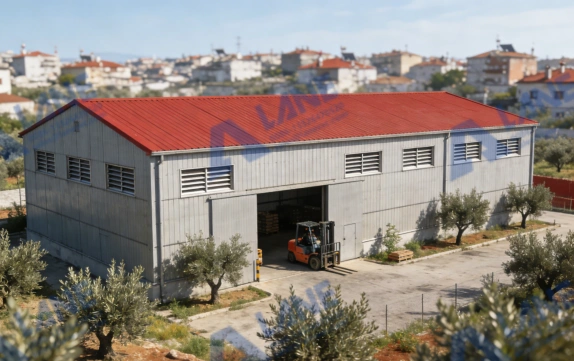
Rice husk and wood chips — both readily available from agriculture and timber processing sectors — were selected not only for their environmental benefits but also for supply chain practicality in Turkey. Using materials already accessible locally helped reduce production costs and improve sustainability credentials.
• Performance expectations
Urban Turkish consumers often evaluate cat litter based on odor control, dust reduction, and ease of use — metrics that were central to the production parameters. While clay litters often deliver strong clumping, biomass litters need optimized pellet structure to match or exceed user expectations. LANE engineers adjusted pelletizing pressure, drying stages, and material feed ratios to achieve this balance.
• Operational adaptability
In addition to wood and rice husk, the line is configured to switch among biomass inputs like sawdust or recycled paper, enhancing product portfolio flexibility and enabling future diversification.
This tailored approach ensured the project delivered not just equipment, but a strategic production asset ready for market acceptance.
4. Production Process: From Raw Material to High-Performance Pellets
Integrating biomass-specific process optimization in the 2 T/H wood and rice husk cat litter line in Turkey ensured that the line achieved optimal moisture absorption and dust reduction, a feature that aligns with the broader wood cat litter market trend where absorbency effectiveness often exceeds 85 percent in controlled tests. The production line for the 2 T/H wood and rice husk cat litter project incorporates a series of coordinated stages designed to transform raw biomass into commercially viable cat litter pellets:
Raw Material Preparation
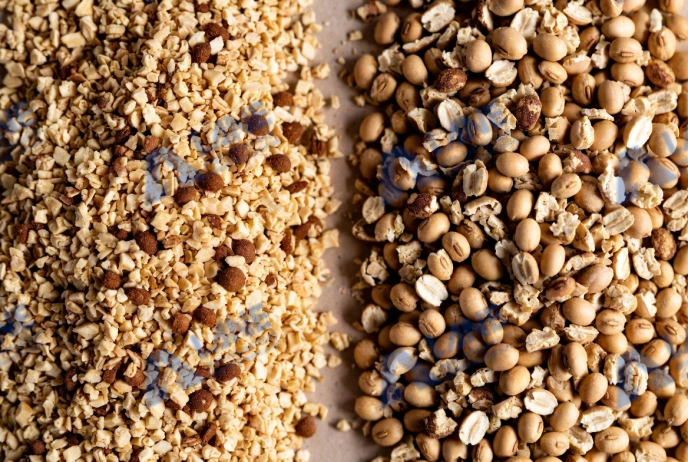
Wood chips and rice husk are first screened and conditioned to remove impurities and optimize particle size for uniform pellet formation. Dust extraction systems ensure cleaner material handling and operational safety.
Mixing and Conditioning
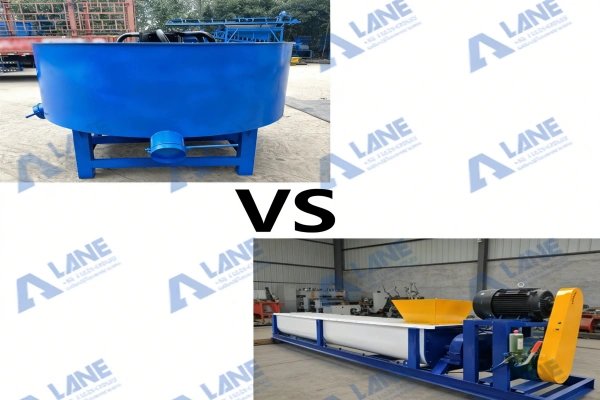
Precise blending with minimal additives prepares the biomass for consistent pelletizing. Custom mixing ratios developed by LANE engineers promote high absorbency in the finished product.
Pelletizing and Drying
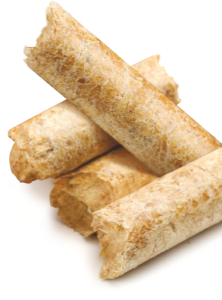
LANE’s pellet mill applies high density compression to form pellets which are then dried and cooled to achieve target moisture levels. This process promotes structural stability and enhances performance characteristics compared to loosely compacted biomass litter.
Screening and Packaging
Final pellets are screened to remove fines and sorted by size before being automatically packaged into retail-ready bags, ensuring consistent product quality and presentation.
This workflow reflects an integration of material science, mechanical precision, and production automation — hallmarks of modern cat litter manufacturing that meet both performance demands and operational efficiencies. The 2 T/H wood and rice husk cat litter line in Turkey uses biomass pellet technology that improves absorption and reduces airborne dust.
5. Key Equipment That Made It Possible
The success of the 2 T/H wood and rice husk cat litter line in Turkey was dependent on a suite of high-performance equipment provided and configured by LANE:
-
Raw material crushers and feeders to homogenize wood chips and rice husk;
-
High-precision mixers for balanced material homogenization;
-
Pellet mills engineered to handle biomass with optimal pellet density;
-
Drying and cooling systems to stabilize moisture content and enhance pellet strength;
-
Automated screens, and packaging units for consistent output quality.
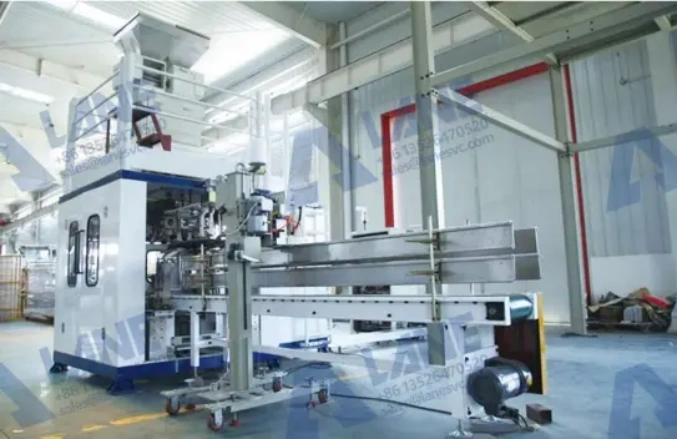
These modules work in harmony to ensure the production line runs smoothly at the designated 2 T/H capacity, enabling customers to scale output without compromising product standards. The choice to configure the 2 T/H wood and rice husk cat litter line in Turkey with advanced drying and cooling systems was supported by wood cat litter market trends showing a significant preference for pellet technologies that enhance absorption and odor control over traditional alternatives.
6. Market Response and Local Feedback
Following commissioning and initial production runs, the wood and rice husk based cat litter generated positive early feedback from distributors and end consumers. Review highlights include:
-
Highly effective moisture absorption comparable to traditional litters;
-
Low dust output and improved usability in apartment environments;
-
Biodegradable composition appealing to eco-conscious buyers.
Such performance helped local retailers position the product as a premium alternative to conventional clay litters — particularly among consumers seeking sustainable pet care options in metropolitan markets like Istanbul, where lifestyle and environmental considerations strongly influence purchasing patterns. Early results from the 2 T/H wood and rice husk cat litter line in Turkey showed strong distribution interest in eco-litter formats. Post-launch feedback from local distributors confirmed that the natural litter produced by the 2 T/H wood and rice husk cat litter line in Turkey matched consumer expectations for eco-litter performance — reflecting broader industry trends where biodegradable wood and rice husk based products are increasingly embraced for being biodegradable and low cost over the lifecycle compared to traditional clay litter.
Overall, the success of the 2 T/H wood and rice husk cat litter line in Turkey underscores how aligning customized production solutions with the global shift toward sustainable, wood-based litter alternatives can unlock new opportunities in a market where wood-derived products are expected to grow faster than traditional formulations. The 2 T/H wood and rice husk cat litter line in Turkey underscores the shift toward sustainable, wood-based litter production that resonates with eco-aware consumers.
Conclusion: A Strategic Production Solution for Turkey’s Eco-Litter Segment
The 2 T/H wood and rice husk cat litter line in Turkey represents more than a manufacturing project — it showcases how LANE Machinery’s customized engineering, local market understanding, and flexible equipment solutions can help manufacturers capitalize on shifting consumer preferences and sustainability trends.
By focusing on local raw material availability, performance optimization, and scalable production design, LANE delivered a tailored eco-litter production line that positions its client for success in Turkey’s growing cat litter market.
For more details, please feel free to contact us.
Henan Lane Heavy Industry Machinery Technology Co., Ltd.
Email: sales@lanesvc.com
Contact number: +86 13526470520
Whatsapp: +86 13526470520