

1 T/h Cat Litter Production Line Project in Uzbekistan with Bentonite & Wood Chips Raw Materials
1 T/h Cat Litter Production Line Project in Uzbekistan with Bentonite & Wood Chips Raw Materials
Overview of the 1 t/h Cat Litter Production Line Project in Uzbekistan
The 1 t/h cat litter production line project in Uzbekistan was commissioned to meet the growing demand for high-quality cat litter products in Central Asia. As the pet care market expands rapidly, many local manufacturers are investing in scalable production lines that can reliably convert raw materials such as bentonite and wood chips into premium cat litter pellets. To address this need, our team designed and delivered a customized 1 ton per hour capacity production line tailored to the client’s raw material profile and market goals.
In this case study, we share our end-to-end approach – from raw material analysis to plant commissioning and performance results – highlighting why this plant framework represents an ideal solution for medium-scale cat litter production.
1. Project Requirements & Market Analysis
Before initiating the 1 t/h cat litter production line project in Uzbekistan, our technical team conducted a thorough market assessment and raw material availability study. The client’s main goals were:
-
To establish a stable production line capable of producing around 1 t/h of finished cat litter pellets.
-
To utilize locally available bentonite clay as the primary mineral material due to its market preference and absorption properties.
-
To integrate wood chips as an eco-friendly plant-based raw material component, enhancing the product’s biodegradability and broadening its appeal.
This combination of mineral and plant-based materials required a flexible production solution that could handle differences in material properties and moisture content, while still achieving consistent pellet quality.
The project’s market strategy aimed to supply both local pet stores and regional distributors, positioning the final product as a value-driven but high-performance cat litter choice.
2. Raw Material Characteristics & Process Selection
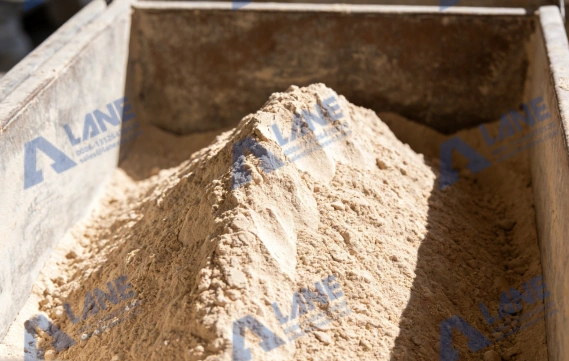
2.1 Bentonite Clay
Bentonite clay is widely used in clumping cat litter due to its excellent water absorption and clumping characteristics. In production, bentonite must be crushed, screened, and finely processed to ensure uniform granulation later in the line.
For this project, high-quality bentonite sourced locally was selected for its consistency and particle size distribution, meeting the customer’s product specifications.
2.2 Wood Chips
Wood chips are a common plant-based raw material used in eco-friendly cat litter. They offer biodegradability and low dust levels when properly processed, which appeals to environmentally conscious consumers.
The dual-raw material approach of combining bentonite and wood chips provided this production line with flexibility – enabling both traditional clumping litter and blended pellet products to be manufactured on the same platform.
3. Production Process & Key Machinery
The 1 t/h cat litter production line project in Uzbekistan follows a complete industrial workflow that includes raw material preparation, granulation, drying, cooling, screening, and packaging.
A typical optimized cat litter plant configuration includes:
3.1 Raw Material Handling & Crushing
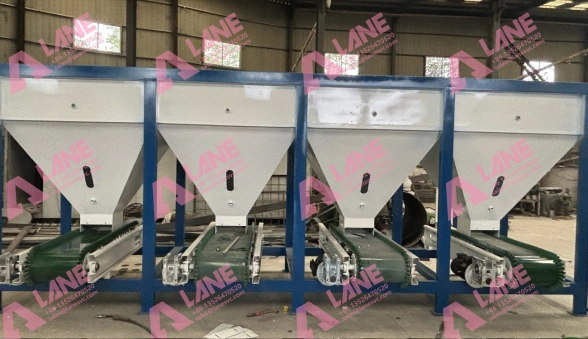
The first stage involves receiving, crushing, and screening the bentonite clay and wood chips to prepare them for uniform mixing. Crushers reduce large chunks to manageable sizes, and screening ensures consistent particle flow to the mixer. The raw material handling stages of this 1 T/h cat litter production line project in Uzbekistan were engineered for precise moisture control and efficient crushing, preventing common issues such as material bridging or inconsistent granulation that can occur when processing hygroscopic bentonite and fibrous wood chips together.
3.2 Mixing & Conditioning
In this stage, processors use an industrial-grade mixer to blend materials according to the designed recipe. Adjusting the moisture content precisely is critical to ensuring stable granulation and consistent pellet morphology downstream.
3.3 Granulation
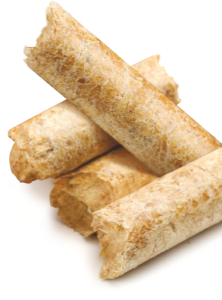
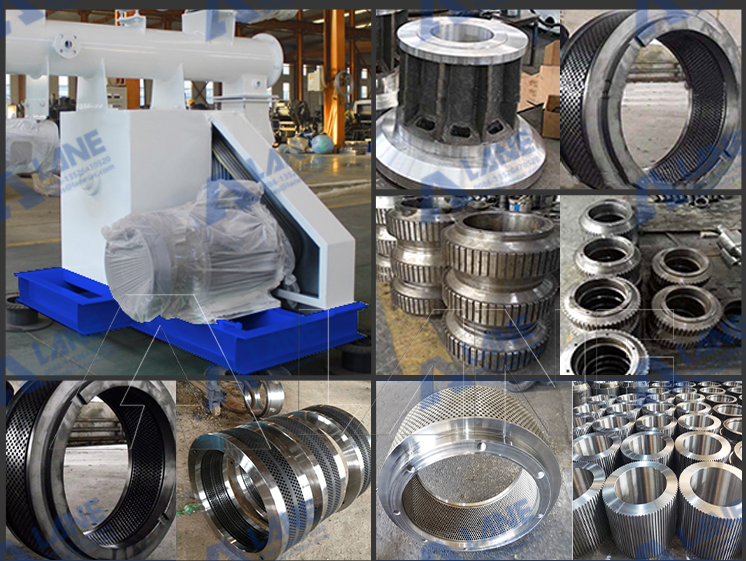
The pelletizer is the core component of the cat litter production line. It compresses the mixed bentonite and wood chip blend into pellets or granules with desired diameter (typically 2–8 mm). In designing the 1 T/h cat litter production line project in Uzbekistan, we specifically optimized the granulation process to ensure consistent particle size and strength, which is critical for bentonite’s natural clumping performance and the structural stability of wood chips mixtures during high‑speed production. This production launch fully demonstrated the advantages of the horizontal ring die granulator, significantly enhancing the efficiency of cat litter production.
3.4 Drying and Cooling
Once pellets are formed, they contain significant moisture. The drying unit brings the pellets to the targeted moisture level, followed by a cooling stage that stabilizes pellet structure and temperature for effective screening and packaging.
3.5 Screening & Packaging
Vibratory screens separate qualified pellets from fines. Qualified products pass through to the automated packaging system, where they are weighed and bagged in consumer-ready formats such as 10 kg or 20 kg bags.
This production sequence ensures each batch of litter meets quality standards for water absorption, particle size uniformity, and dust control.
4. Installation, Commissioning & Operational Insights
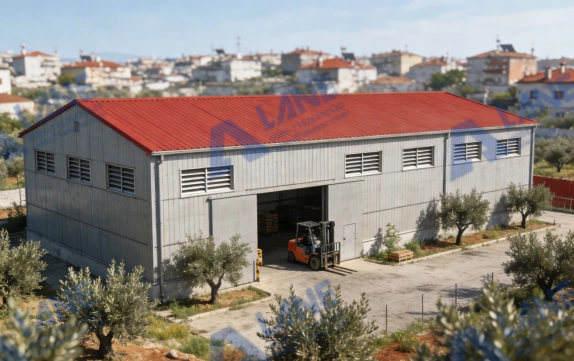
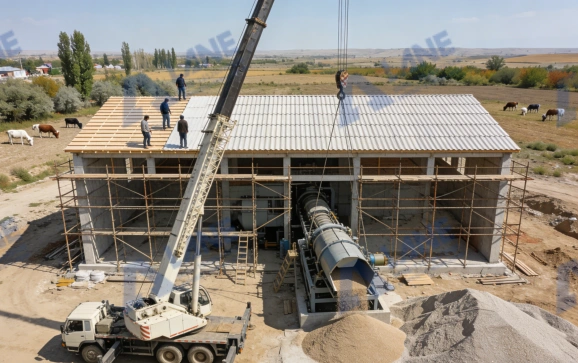
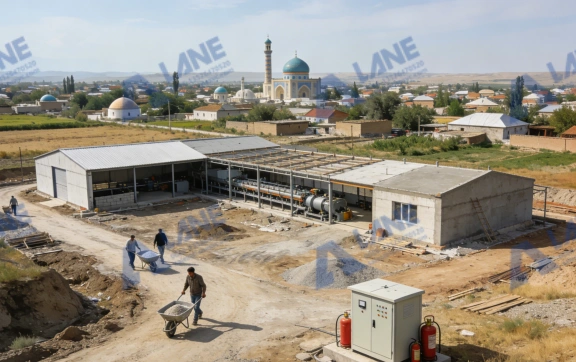
The 1 t/h cat litter production line project in Uzbekistan was installed, commissioned, and brought online under strict project management protocols to ensure minimal downtime and fast ramp-up.
Key implementation steps included:
-
Site preparation and layout optimization based on workflow efficiency.
-
Mechanical installation of mixers, crushers, pelletizers, dryers, coolers, and conveyors.
-
Electrical hookup and control system setup, ensuring PLC system integration for automated operation. A key advantage of this 1 T/h cat litter production line project in Uzbekistan is the integration of automated controls that synchronize material feeding, granulation speed, and cooling phases to maintain stable production output and minimize manual intervention.
-
Dry runs and trial production, allowing fine-tuning of speed, moisture settings, and pellet quality checks.
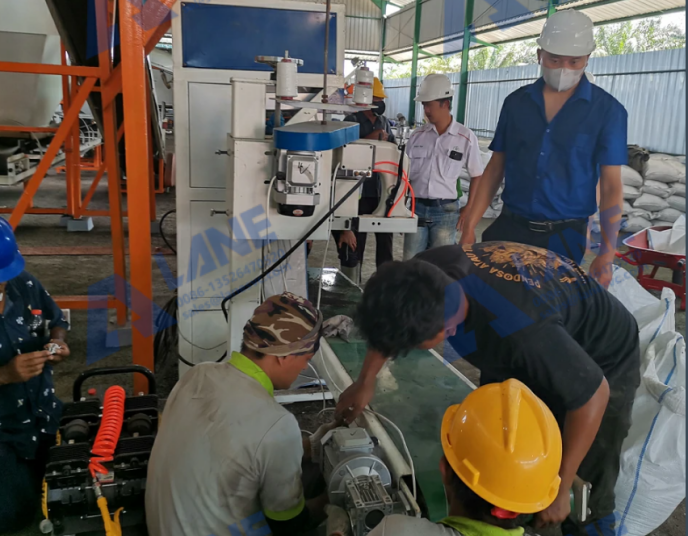
During commissioning, our engineering team worked closely with the client’s staff to train operators and establish standard operating procedures for daily production and maintenance. This hands-on engagement ensured a smooth transition to full production. During commissioning of the 1 T/h cat litter production line project in Uzbekistan, real‑time data monitoring and adjustment of the dryer temperature and mixing ratios significantly improved pellet density and reduced reject rates, demonstrating how careful calibration enhances both throughput and product quality.
5. Production Results & Performance Evaluation
Upon completion, the 1 t/h cat litter production line project in Uzbekistan achieved stable operations with output aligned with design capacity. The production line consistently produced approximately 1 ton of finished cat litter per hour of operation, satisfying both volume and quality expectations.
Feedback from the client highlighted the line’s:
-
Stable throughput
-
Reliable pellet quality
-
Low downtime and ease of operation
Furthermore, the blended products – combining bentonite’s absorption properties with wood chips’ low dust and eco-friendly profile – have been well-received in target segments, expanding market penetration. Feedback from the initial production runs showed that the 1 T/h cat litter production line project in Uzbekistan achieved superior absorption and odor control in finished products, directly reflecting our tailored process engineering and material formulation choices.
6. Project Highlights & Our Competitive Strengths
This case demonstrates several strengths of our turnkey solutions:
-
Customized engineering for dual raw materials (bentonite and wood chips) that delivers flexibility in product offerings and market positioning.
-
Scalable automation that supports future upgrades if higher capacities (e.g., 2–5 t/h or more) are required later.
-
Professional installation and hands-on commissioning, ensuring a smooth transition from design to production.
-
Operator training and lifetime technical support to help clients commercialize their production capability quickly.
Conclusion
The 1 t/h cat litter production line project in Uzbekistan serves as a strong example of delivering medium-scale cat litter manufacturing capability with customized raw material handling and quality control. By combining bentonite’s clumping performance with wood chips’ eco-friendly properties, this production line achieves product differentiation and target market appeal.
If your company is considering deploying a new cat litter plant or expanding production capacity with a flexible solution, please contact us for detailed consultation and cost analysis.
For more details, please feel free to contact us.
Henan Lane Heavy Industry Machinery Technology Co., Ltd.
Email: sales@lanesvc.com
Contact number: +86 13526470520
Whatsapp: +86 13526470520